
Have you ever wondered if sleeping with background noise helps or harms your rest? You’re not alone.
Many people rely on sounds like rain, white noise, or soft music to fall asleep. But is this habit really good for your sleep quality? You’ll discover the surprising pros and cons of sleeping with background noise. By understanding how it affects your mind and body, you can make smarter choices for a better night’s sleep.
Keep reading to find out if background noise is your sleep’s best friend or its hidden enemy.
Quick Navigation
Benefits Of Background Noise
Background noise can help many people sleep better. It creates a steady sound environment that soothes the mind. This section explores how background noise benefits your sleep and overall relaxation.
Improved Sleep Quality
Background noise can help you fall asleep faster. It blocks sudden sounds that might wake you up. A constant sound helps your brain relax. This leads to deeper and longer sleep cycles. People often wake up feeling more refreshed.
Masking Disruptive Sounds
Street noise, barking dogs, or loud neighbors can disturb sleep. Background noise covers these interruptions. It acts like a sound shield for your ears. This reduces sudden awakenings during the night. The result is a more peaceful sleep environment.
Relaxation And Stress Reduction
Many find steady sounds calming and comforting. It helps lower stress levels before sleep. Background noise distracts from worries and busy thoughts. This calm state makes it easier to drift off. Relaxation improves overall mental health and rest.
Drawbacks Of Background Noise
Sleeping with background noise can seem helpful but it has its downsides. These sounds might not always aid rest. Some risks come with using noise while sleeping. It is important to know these drawbacks to make a wise choice.
Potential Sleep Disruptions
Background noise can cause sudden waking. Sounds may change in volume or type during the night. This variation can interrupt deep sleep stages. Interrupted sleep lowers rest quality and leaves you tired. Even soft noises can disturb sensitive sleepers.
Dependence On Noise
Relying on noise to fall asleep can create habits. Your brain may need sound to relax. Without noise, falling asleep might become hard. This reliance limits your sleep options. It can be difficult to sleep in quiet places.
Impact On Hearing Health
Loud background noise can harm your ears. Using headphones with noise can increase risk. Prolonged exposure to sound may lead to hearing loss. It is safer to keep volumes low. Protect your hearing while trying to improve sleep.
Types Of Background Noise
Background noise can help many people fall asleep faster. Different types of sounds offer unique effects on sleep quality and comfort. Understanding these sounds helps you choose the right one for your needs.
White Noise
White noise is a steady sound that masks other noises. It sounds like static or a fan running. This noise helps block sudden sounds that might wake you up. Many people find it calming and consistent for sleep.
Nature Sounds
Nature sounds include rain, ocean waves, or forest sounds. These sounds create a peaceful and natural sleep environment. They can lower stress and make it easier to relax. Many sleepers enjoy the gentle rhythms of nature at night.
Ambient Music
Ambient music is soft and slow instrumental music. It often has no lyrics or sharp changes in volume. This music can create a soothing atmosphere in your bedroom. It helps some people drift off by calming their mind and body.

Choosing The Right Sound
Choosing the right background sound can improve sleep quality. The sound should feel calm and not distracting. Different sounds work for different people. It is important to pick a sound that helps you relax and fall asleep faster. The right sound can block out other noises and create a peaceful environment.
Personal Preferences
Everyone has unique tastes in sounds. Some prefer white noise, like a fan or static. Others like nature sounds, such as rain or ocean waves. Soft music can also be soothing for some. Try different sounds to find what helps you sleep best. Your choice should make you feel safe and calm.
Volume Considerations
Keep the sound volume low to avoid disturbing your sleep. Loud noises can cause stress and wake you up. The sound should be just loud enough to mask other noises. Use a volume that feels comfortable and gentle. Too soft might not block noise, too loud can harm your ears.
Consistency And Timing
Use the background sound regularly to build a sleep habit. Turning the sound on before bedtime helps your brain relax. Avoid sudden changes in the sound or volume. Consistent timing signals your body it is time to sleep. Stop the sound gradually if you do not need it all night.
Tips For Using Background Noise
Using background noise while sleeping can help many people fall asleep faster and stay asleep longer. It creates a calm and steady sound that blocks sudden noises. To get the best results, follow some simple tips. These tips help you use background noise safely and effectively without hurting your sleep.
Setting Up Devices Safely
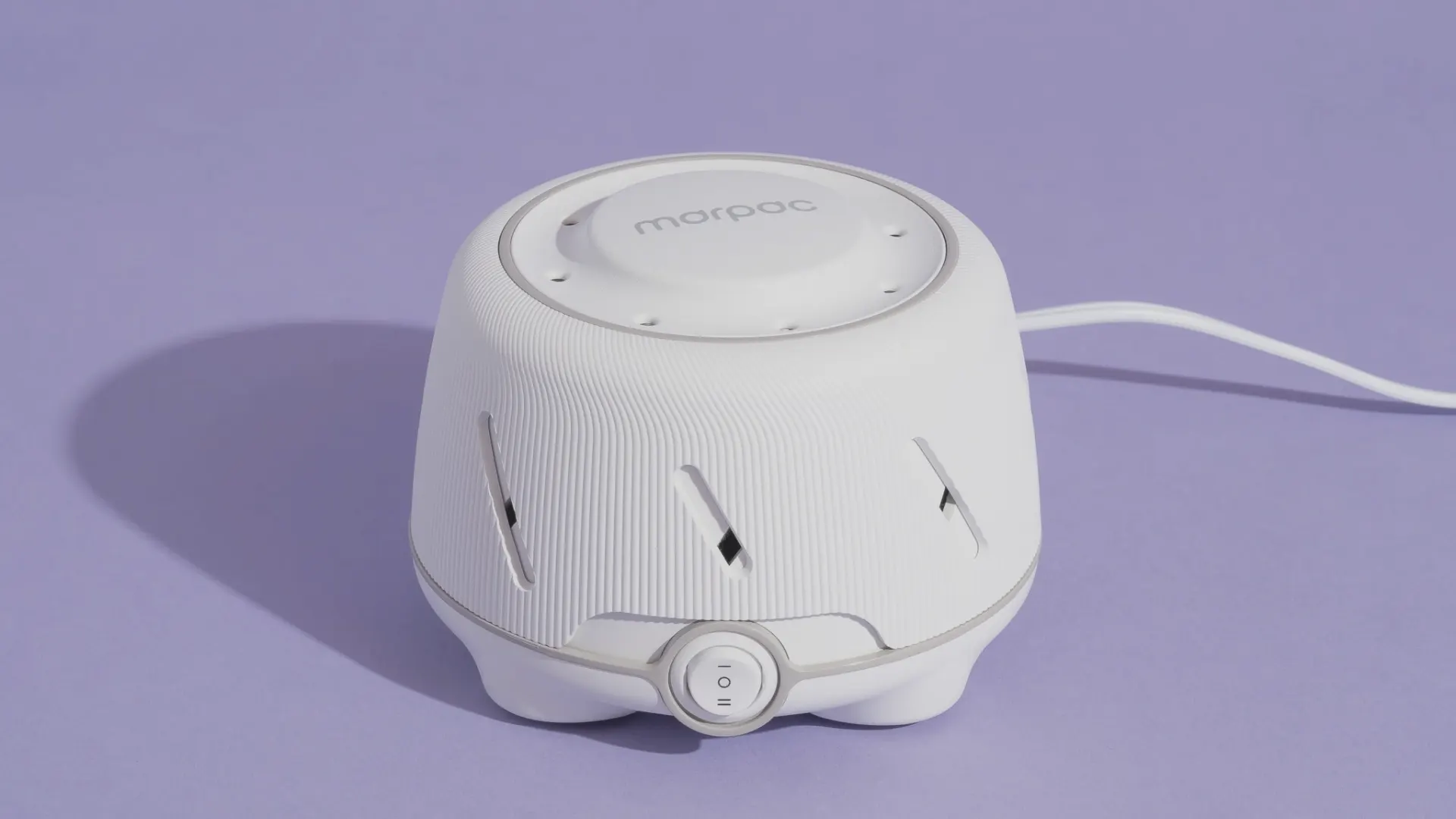
Place your sound machine or device away from your bed. Keep it at a low volume to avoid hearing damage. Use devices with automatic shut-off timers. This prevents the noise from playing all night if you do not need it. Avoid using headphones or earbuds while sleeping to protect your ears.
Avoiding Overstimulation
Choose gentle and steady sounds like rain or white noise. Loud or fast noises can wake you up or cause stress. Avoid music with lyrics or sudden changes in volume. Keep the noise consistent to help your brain relax. Stop using background noise if you notice trouble falling asleep.
Monitoring Sleep Patterns
Track your sleep quality to see if background noise helps. Use a sleep diary or a sleep app to record your rest. Note if you fall asleep faster or wake less often. Adjust the type or volume of noise based on your sleep results. Consult a doctor if you still have sleep problems.

Frequently Asked Questions
What Are The Benefits Of Sleeping With Background Noise?
Background noise can mask disruptive sounds, helping you fall asleep faster. It promotes deeper sleep by creating a consistent auditory environment. Many find it reduces anxiety and improves sleep quality, especially in noisy areas. White noise or nature sounds are popular choices.
Can Background Noise Harm Your Sleep Quality?
Yes, certain background noises can disturb sleep cycles. Loud or irregular sounds may cause frequent awakenings. Continuous exposure to inappropriate noise might increase stress levels. It’s essential to choose soothing, consistent sounds to avoid negative effects on sleep.
Which Types Of Background Noise Are Best For Sleep?
White noise, pink noise, and nature sounds work best for sleep. They provide a steady, calming sound that masks disruptions. Avoid sudden, loud, or complex noises that can wake you. Personalized sound machines or apps offer various soothing options.
Does Sleeping With Background Noise Affect Mental Health?
Soothing background noise can reduce stress and improve relaxation. However, loud or irritating sounds might increase anxiety or irritability. Consistent, calming noise promotes mental well-being by supporting better sleep. Choose sounds that you find personally relaxing.
Conclusion
Sleeping with background noise can help some people fall asleep faster. It can mask other sounds that disturb sleep. Yet, not everyone finds it helpful. Some noises might cause more restlessness or stress. Choosing the right sound matters a lot.
Try different types to see what suits you best. Pay attention to how your body reacts. Good sleep improves mood and energy. Balance the pros and cons before adding noise to your bedtime. Your sleep quality depends on what works for you.

