
Do you ever wonder why some nights you fall asleep quickly and wake up feeling refreshed, while other nights you toss and turn? The secret often lies in a good bedtime routine.
What you do before bed can change how well you sleep and how energized you feel the next day. Imagine a simple, calming sequence that helps your mind and body relax, making sleep come naturally. You’ll discover exactly what a good bedtime routine looks like and how you can create one that fits your life perfectly.
Keep reading, because better sleep is closer than you think.

Quick Navigation
Benefits Of A Bedtime Routine
A bedtime routine helps prepare your body and mind for rest. It sets a clear signal that sleep time is near. This habit improves many areas of your life.
Following a routine every night can bring calm and comfort. It supports better sleep and keeps your mind healthy. Small changes can make a big difference.
Improved Sleep Quality
A regular bedtime routine helps your body relax. It makes falling asleep easier and faster. Deep sleep lasts longer, which helps your body heal and grow. You wake up feeling fresh and ready.
Reduced Stress And Anxiety
Calm activities before bed lower stress levels. Quiet time slows down your racing thoughts. This routine creates a peaceful space that reduces anxiety. Your mind learns to rest and let go of worries.
Enhanced Mental Health
Good sleep habits support a strong and clear mind. Regular rest improves mood and focus. It helps control emotions and reduces feelings of sadness. A bedtime routine builds a healthy mind over time.
Key Elements Of A Good Routine
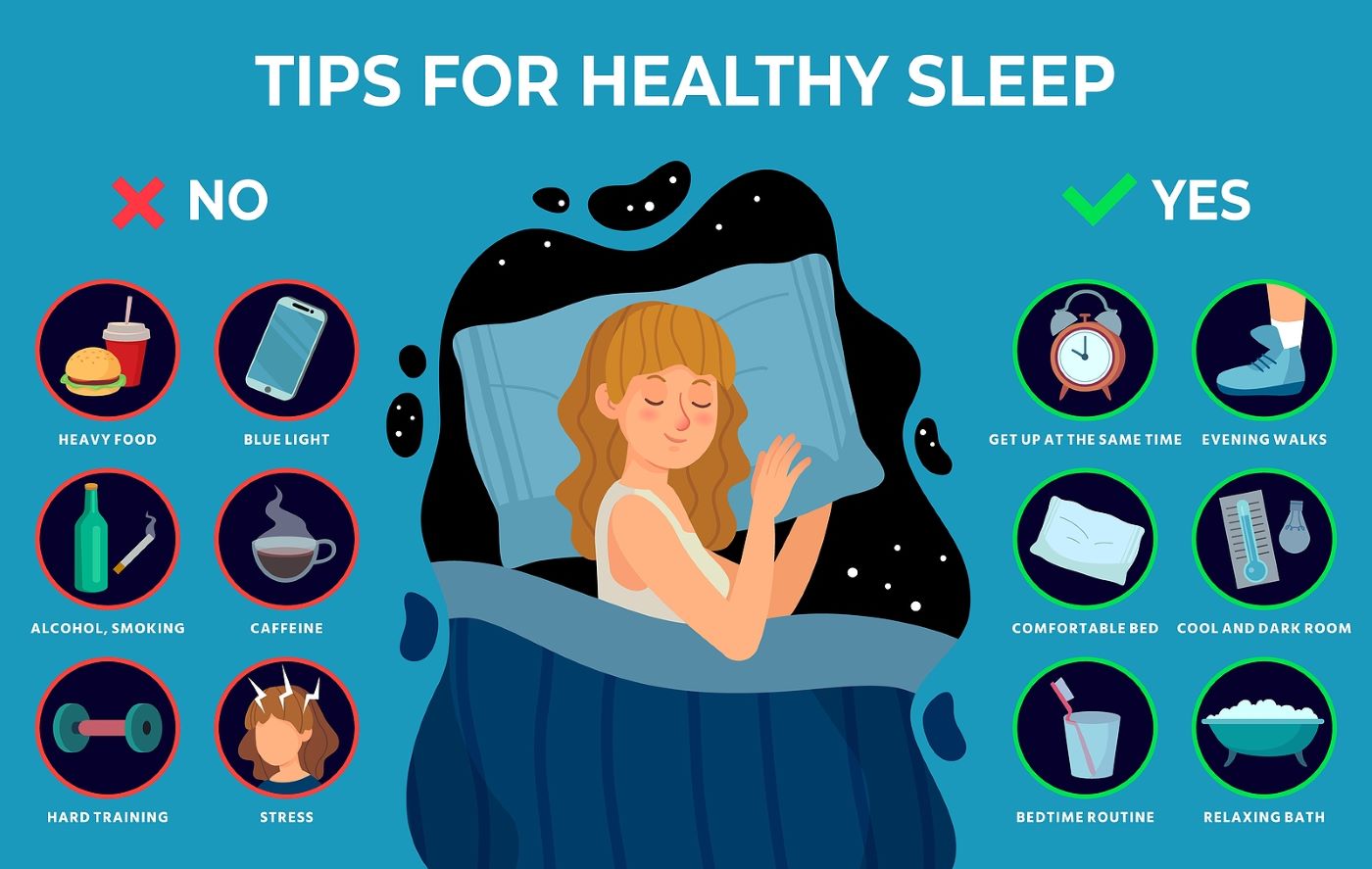
Creating a good bedtime routine helps your body and mind prepare for sleep. It makes falling asleep easier and improves sleep quality. Certain key elements build a strong routine. These elements work together to calm your body and signal it is time to rest.
Consistent Sleep Schedule
Going to bed and waking up at the same time each day sets your body’s internal clock. This consistency helps you fall asleep faster and feel more refreshed. Try to keep your sleep schedule even on weekends. Your body thrives on regular patterns.
Relaxing Pre-sleep Activities
Choose calm activities before bed to help your mind unwind. Reading a book, listening to soft music, or practicing gentle stretches can relax your body. Avoid anything too exciting or stressful. These activities signal your brain that sleep is near.
Limiting Screen Time
Turn off phones, tablets, and computers at least one hour before bed. The blue light from screens stops your brain from making melatonin. Melatonin is the hormone that helps you sleep. Instead, try quiet time without screens to prepare your mind for rest.
Effective Relaxation Techniques
Effective relaxation techniques help calm the mind and body before sleep. They reduce stress and prepare you for restful rest. Simple methods can make a big difference in your bedtime routine.
Gentle Stretching And Yoga
Gentle stretching relaxes tight muscles and eases tension. Slow, easy yoga poses help lower the heart rate. These movements release physical stress and quiet the mind. Spending just a few minutes helps the body unwind.
Meditation And Deep Breathing
Meditation clears distracting thoughts and brings focus to the present. Deep breathing slows the breath and lowers blood pressure. Try breathing in slowly through the nose, out through the mouth. This practice soothes nerves and promotes calm before sleep.
Reading And Journaling
Reading a book can distract from daily worries. Choose calm, light stories to avoid excitement. Journaling helps express thoughts and feelings outside the mind. Writing down your day can bring closure and peace. Both activities ease the mind and support sleep.
Creating The Ideal Sleep Environment
Creating the ideal sleep environment is key for a good bedtime routine. A calm and cozy space helps your body relax. It makes falling asleep easier and improves sleep quality. Small changes in your room can make a big difference in restfulness.
Optimal Room Temperature
Keep your room cool but not cold. The best sleep temperature is between 60 and 67 degrees Fahrenheit. A cooler room helps lower your body temperature. This signals your brain that it is time to sleep. Avoid heavy blankets if the room feels too warm.
Comfortable Bedding
Choose soft and supportive bedding. Your mattress should support your body well. Pillows must keep your neck aligned and comfortable. Use breathable sheets made of cotton or linen. These materials keep you cool and dry throughout the night.
Minimizing Noise And Light
Reduce noise to avoid waking during sleep. Use earplugs or a white noise machine if needed. Block out light with blackout curtains or a sleep mask. Dim lights signal your brain to produce melatonin, the sleep hormone. A dark and quiet room promotes deep, restful sleep.
Foods And Drinks To Avoid Before Bed
What you eat and drink before bed can affect your sleep quality. Certain foods and drinks can make it hard to fall asleep or cause restless nights. Avoid these to keep your bedtime routine smooth and peaceful.
Caffeine And Sugar
Caffeine is a stimulant found in coffee, tea, soda, and chocolate. It can keep your brain awake and alert. Avoid caffeine at least 4 to 6 hours before bed. Sugar can also cause energy spikes, making it harder to relax. Stay away from sugary snacks and drinks in the evening.
Heavy Or Spicy Meals
Eating large or spicy meals before bed can cause discomfort. Your stomach works harder to digest, which can lead to indigestion or heartburn. These issues can wake you up during the night. Choose light, easy-to-digest foods for dinner instead.
Alcohol’s Impact On Sleep
Alcohol might make you feel sleepy, but it disrupts sleep cycles. It can cause you to wake up often and reduce deep sleep. Drinking alcohol close to bedtime lowers sleep quality. Limit alcohol intake in the evening for better rest.
Tailoring Routines For Different Ages
Bedtime routines need changes for every age group. Different ages have different sleep needs and habits. Tailoring routines helps improve sleep quality and overall health. Simple steps can make a big difference. Below are ideas for children, adults, and seniors.
Children And Teens
Children need a calm and consistent bedtime routine. Activities like reading a book or quiet play help. Avoid screens at least 30 minutes before sleep. Teens require more sleep but often stay up late. Set a regular bedtime and limit caffeine. Encourage relaxing activities like listening to soft music. A steady routine helps their growing brains rest well.
Adults
Adults benefit from winding down before bed. Avoid heavy meals and bright screens near bedtime. Try gentle stretching or meditation to relax muscles and mind. Keep a regular sleep schedule, even on weekends. Create a dark, cool, and quiet sleeping space. These habits improve deep, restful sleep and daytime energy.
Seniors
Seniors often face changes in sleep patterns. They may wake up more at night. A soothing routine helps ease these changes. Drinking herbal tea and light reading can relax the mind. Avoid naps late in the day. Bright light exposure during the day supports better night sleep. Gentle exercise like walking helps maintain healthy sleep cycles.
Troubleshooting Common Sleep Issues
Many people face common sleep problems that make rest difficult. These problems can disrupt your bedtime routine. Fixing them helps you sleep better and feel more refreshed. Understanding simple ways to handle these issues can improve your nights.
Dealing With Insomnia
Insomnia means trouble falling or staying asleep. Try to keep a regular bedtime and wake-up time. Avoid screens and bright lights before bed. Relax with deep breathing or gentle stretching. Cut back on caffeine and heavy meals in the evening. These small changes help calm your mind and body.
Managing Nighttime Anxiety
Nighttime anxiety makes your thoughts race at bed. Write down worries or make a to-do list before sleep. Use calming sounds like soft music or white noise. Practice mindfulness or meditation to ease tension. Keep your bedroom quiet and dark to create a peaceful space. This helps your mind relax.
Adjusting For Shift Work
Shift work can confuse your sleep schedule. Try to keep your sleep time consistent on workdays and days off. Use blackout curtains to block daylight during daytime sleep. Avoid caffeine near your sleep hours. Create a quiet, comfortable place for rest. These steps help your body adapt to different work hours.

Frequently Asked Questions
What Are The Key Steps In A Good Bedtime Routine?
A good bedtime routine includes winding down activities like reading, dimming lights, avoiding screens, and relaxing. It helps signal your body to prepare for sleep and improves sleep quality.
How Long Should A Bedtime Routine Last?
An effective bedtime routine typically lasts 30 to 60 minutes. This duration allows your body to transition from wakefulness to sleep readiness naturally and peacefully.
Why Is Consistency Important In Bedtime Routines?
Consistency trains your body to expect sleep at a set time. This regularity enhances your sleep cycle, making it easier to fall asleep and wake up refreshed.
Can A Bedtime Routine Improve Sleep Quality?
Yes, a calming bedtime routine reduces stress and signals your brain to relax. This leads to deeper, more restful sleep and better overall health.
Conclusion
A good bedtime routine helps your body and mind relax. It makes falling asleep easier and improves sleep quality. Simple habits like reading, dimming lights, and avoiding screens work well. Consistency is key—try to follow the same steps each night.
Over time, your body will know it’s time to rest. Better sleep leads to better health and mood. Start small, keep it simple, and enjoy peaceful nights ahead.

