
As an Amazon Associate I earn from qualifying purchases.
Have you ever woken up with a stiff neck or back pain? The way you sleep might be the hidden cause.
Proper spinal alignment during sleep is crucial for waking up refreshed and pain-free. When your spine is correctly aligned, your body gets the support it needs to heal and recharge. But what does proper spinal alignment actually look like while you’re sleeping?
Understanding this can change how you rest every night and improve your overall health. Keep reading to discover simple yet powerful tips that will help you sleep better and protect your spine. Your body will thank you.
Quick Navigation
Spinal Alignment Basics
Proper spinal alignment during sleep supports your overall health. It helps reduce pain and improves rest. Understanding spinal alignment basics can guide better sleep habits. This section explains what healthy alignment looks like and why it matters.
Natural Spine Curves
The spine has three natural curves. These curves form an S shape when viewed from the side. The neck curves slightly inward. The middle back curves outward. The lower back curves inward again. These curves help absorb shock and keep balance. Good sleep positions support these natural curves.
Common Misalignments
Misalignments occur when the spine bends unnaturally. Sleeping on a very soft mattress can cause the body to sink too much. Too firm a mattress may create pressure points. Twisting or bending the neck too far strains muscles. These misalignments can cause stiffness and pain. They disrupt restful sleep and cause discomfort.
Impact On Sleep Quality
Proper spinal alignment improves sleep quality. It reduces tension in muscles and joints. Aligned spines help maintain steady breathing. Misalignment leads to tossing and turning all night. Poor sleep affects mood and energy the next day. Supporting your spine helps you wake up refreshed.
Ideal Sleeping Positions
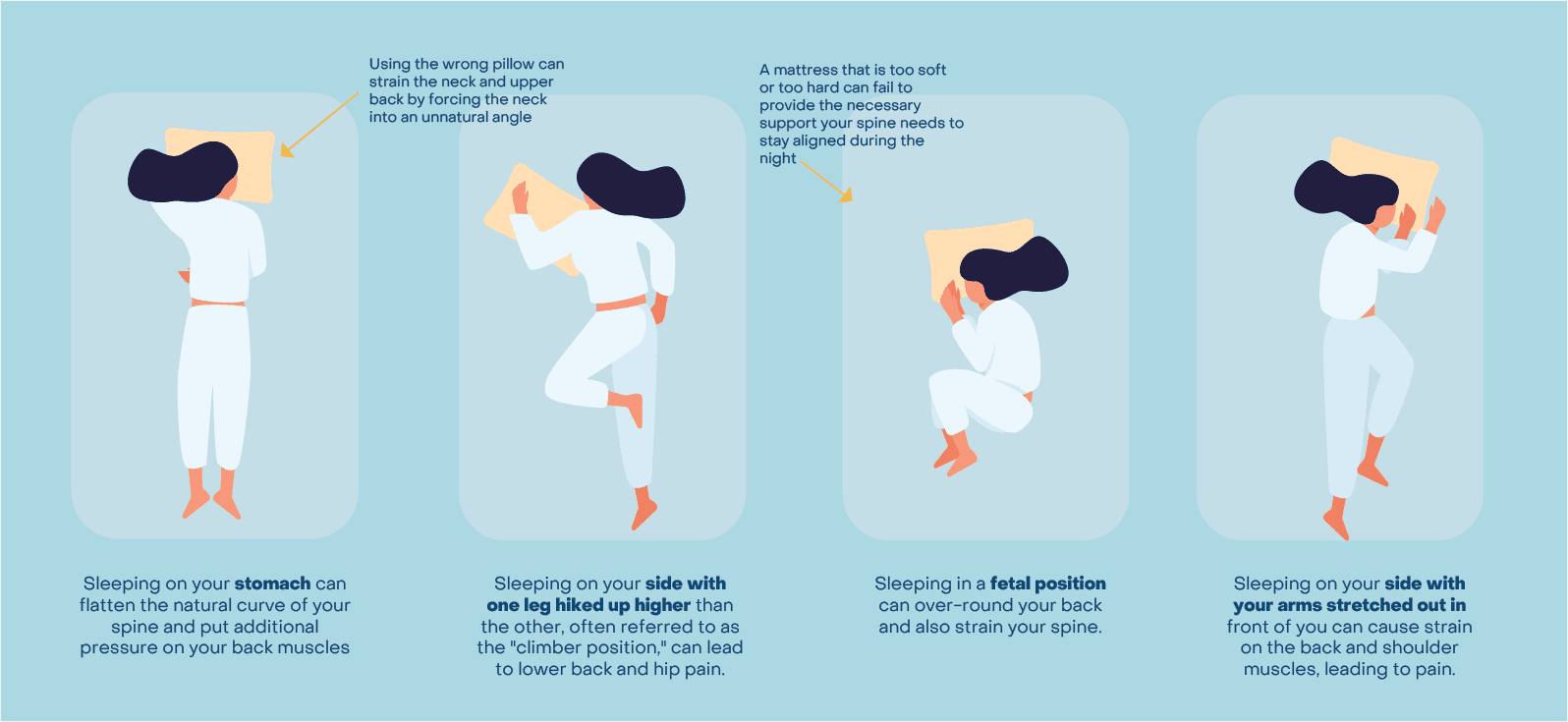
Proper spinal alignment during sleep helps reduce pain and improve rest quality. Your sleeping position affects how your spine stays straight. Some positions support the natural curve of your back better than others.
Choosing the right position can protect your neck, back, and hips. It also helps muscles relax and reduces pressure points. Let’s explore the ideal sleeping positions for good spinal alignment.
Back Sleeping Alignment
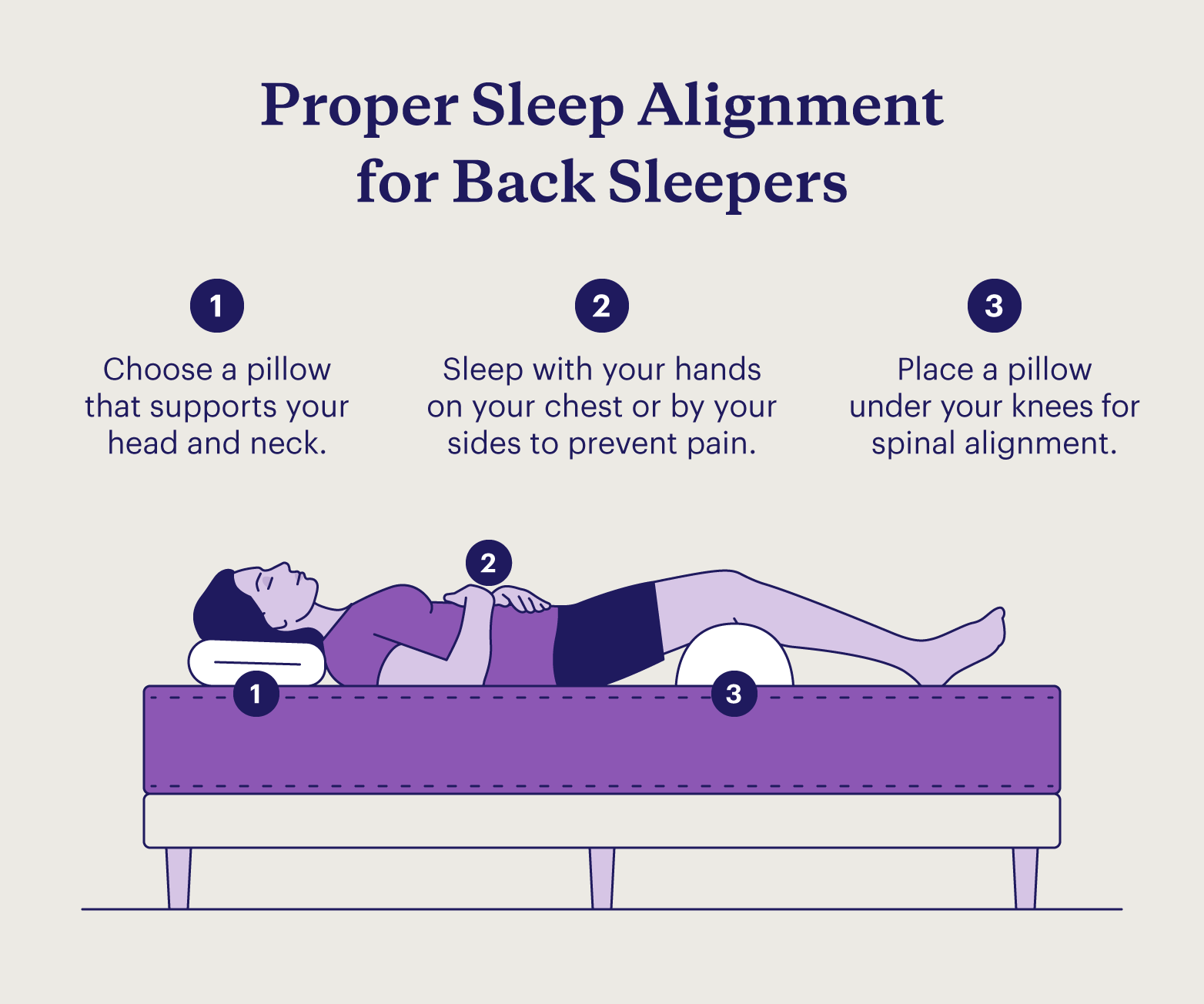
Sleeping on your back keeps the spine straight and balanced. Use a pillow that supports the natural curve of your neck. A small pillow under the knees helps maintain the lower back’s curve. This position distributes weight evenly across the body. It reduces stress on the spine and joints.
Side Sleeping Alignment
Side sleeping is common and can be good for spinal health. Keep your head aligned with your spine using a firm pillow. Your hips and shoulders should rest evenly on the mattress. Place a pillow between your knees to keep hips level. This prevents twisting of the lower spine.
Stomach Sleeping Risks
Sleeping on the stomach can strain the neck and back. It forces the spine out of its natural position. Turning the head to breathe twists the neck unnaturally. This position increases pressure on muscles and joints. It can lead to pain and stiffness over time.
Choosing The Right Mattress
Choosing the right mattress plays a key role in keeping your spine aligned during sleep. A mattress that fits your body helps reduce pressure points and supports natural curves. This support allows your spine to rest in a neutral position. Without it, you may wake up with pain or stiffness. Understanding firmness, mattress types, and when to replace your mattress will help you make a better choice.
Firmness Levels Explained
Firmness affects how well your mattress supports your spine. Soft mattresses sink too much and cause your spine to curve unnaturally. Very firm mattresses may push on your shoulders and hips, creating pressure. A medium-firm mattress often works best. It supports your body while letting your shoulders and hips sink slightly. Your weight and sleep position also influence the best firmness level.
Mattress Types And Support
Mattress types vary in support and comfort. Memory foam mattresses contour to your body, relieving pressure and supporting spinal curves. Innerspring mattresses offer more bounce and firm support but may lack pressure relief. Hybrid mattresses combine foam and springs for balanced support. Latex mattresses provide good support and durability. Each type affects spinal alignment differently. Choose one that matches your comfort and support needs.
Mattress Lifespan And Replacement
A mattress loses support over time. Worn-out mattresses can cause your spine to misalign during sleep. Most mattresses last between 7 and 10 years. Signs you need a new mattress include sagging, lumps, and waking up with pain. Replacing your mattress at the right time helps maintain proper spinal alignment. It keeps your sleep healthy and comfortable.
Pillow Selection For Alignment
Choosing the right pillow is key to keeping your spine straight during sleep. A good pillow supports your neck and head, keeping them in line with your spine. This helps reduce pain and stiffness in the morning. The right pillow type depends on your sleeping position. Proper pillow placement also matters to keep your spine aligned all night.
Support For Neck And Head
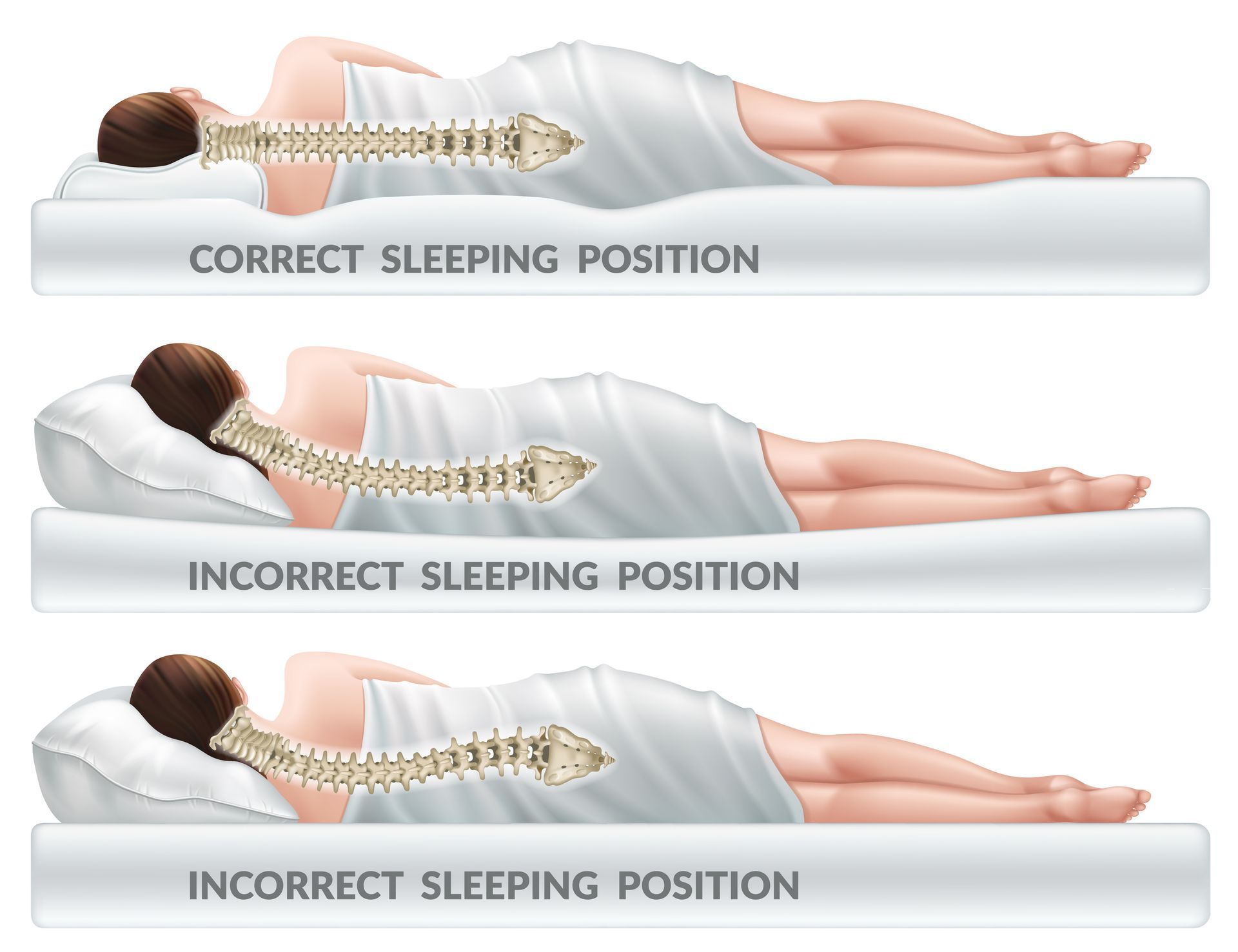
The pillow should fill the space between your neck and mattress. It keeps your neck from bending unnaturally. Your head should not tilt too far forward or backward. A pillow that is too high or too flat can cause pain. Look for pillows that hold your neck in a natural curve.
Pillow Types For Different Sleepers
Side sleepers need firm pillows to fill the gap between head and shoulder. Back sleepers benefit from medium support to keep the neck straight. Stomach sleepers should use soft, thin pillows or none at all. Memory foam, latex, and feather pillows offer different support levels. Choose one that fits your comfort and sleeping style.
Positioning Tips
Place the pillow so your head aligns with your spine. Avoid tucking your chin into your chest or letting your head fall back. Side sleepers should keep their spine straight by stacking pillows if needed. Back sleepers can use a small pillow under the neck. Stomach sleepers may need a very thin pillow or none to avoid strain.
Tips To Maintain Alignment
Maintaining proper spinal alignment during sleep helps prevent pain and improves rest quality. Simple habits can support a healthy spine. Small changes in your daily routine make a big difference.
Stretching And Exercises
Gentle stretching relaxes muscles and eases tension. Focus on stretches that open the chest and strengthen the back. Yoga poses like cat-cow and child’s pose help maintain spine flexibility. Regular exercise supports muscle balance and posture. Avoid intense workouts right before bed to prevent stiffness.
Sleep Hygiene Practices
Choose a mattress that supports your natural spine curve. Use pillows to keep your neck aligned with your spine. Sleeping on your back or side helps maintain proper alignment. Avoid sleeping on your stomach as it strains the neck. Keep a consistent sleep schedule for better rest quality. Create a calm bedroom environment to fall asleep faster.
When To Seek Professional Help
Persistent back or neck pain needs medical attention. Visit a chiropractor or physical therapist for guidance. Early treatment can prevent worsening problems. Professionals can suggest personalized exercises and adjustments. Do not ignore numbness or weakness in limbs. Seek help if sleep discomfort affects your daily life.
Frequently Asked Questions
What Is Proper Spinal Alignment During Sleep?
Proper spinal alignment means keeping your spine in a neutral, natural position. Your head, shoulders, and hips should align to avoid strain. This reduces pressure on discs and muscles, preventing pain and stiffness upon waking.
How Can I Maintain Spinal Alignment While Sleeping?
Use a supportive mattress and pillow to keep your spine straight. Sleep on your back or side, avoid stomach sleeping. Place a pillow between knees if side sleeping to keep hips aligned.
Why Is Spinal Alignment Important For Sleep Quality?
Proper spinal alignment reduces muscle tension and nerve pressure. It promotes better blood circulation and prevents discomfort. This helps you fall asleep faster and enjoy deeper, more restorative sleep.
Can Poor Spinal Alignment Cause Back Pain?
Yes, poor spinal alignment strains muscles and joints. It can lead to chronic pain, stiffness, and nerve issues. Correct posture during sleep helps prevent these problems and supports overall spinal health.
Conclusion
Proper spinal alignment during sleep helps reduce pain and stiffness. It supports your body’s natural curves and keeps your spine neutral. Good alignment also improves breathing and promotes better rest. Simple changes to your pillow or mattress can make a big difference.
Pay attention to your sleeping position and comfort. Your body will thank you with less discomfort and more energy. Sleep well. Wake up refreshed.