
You rely on your sleep tracker every night, hoping it will tell you everything about your rest. But have you ever wondered what it might be missing?
Sleep trackers can give you data on your heart rate, movement, and sleep stages, but there’s more to good sleep than numbers on a screen. What if the quality of your dreams or the true feeling of refreshment can’t be measured by any device?
If you want to understand the hidden side of your sleep and why your tracker might not tell the full story, keep reading. This could change the way you think about your nightly rest forever.

Quick Navigation
Limits Of Sleep Tracker Technology
Sleep trackers offer helpful insights about your rest. They monitor patterns and give data on sleep duration and quality. Yet, these devices have limits. They cannot capture every detail about your sleep. Understanding these limits helps set realistic expectations.
Sensors And Data Accuracy
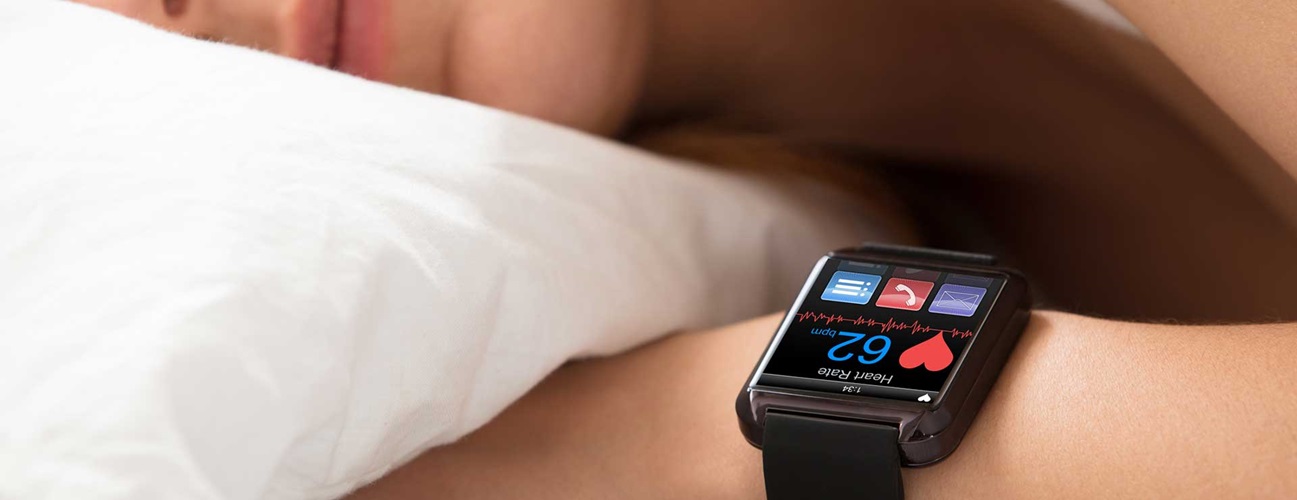
Sleep trackers use sensors to detect movement and heart rate. These sensors work well for general trends. Small movements or changes in heart rate might be missed. Data may not always be precise. Accuracy depends on the device quality and placement on the body.
Interpreting Sleep Stages
Devices estimate sleep stages like light, deep, and REM sleep. They rely on algorithms analyzing sensor data. But these stages are complex and hard to measure exactly. Trackers cannot fully replicate clinical sleep studies. They provide estimates, not medical diagnoses.
Environmental Factors Impact
Trackers do not sense outside factors affecting sleep. Noise, light, room temperature, and stress levels influence rest. These are crucial for sleep quality but go unrecorded. Understanding sleep requires more than just device data. Environmental context matters a lot.

Unseen Aspects Of Sleep Quality
Sleep trackers offer useful data on sleep duration and movement. Yet, many important parts of sleep remain hidden from these devices. Sleep quality involves more than numbers and graphs. It includes deep emotional and mental healing. It also covers how often sleep breaks and the nature of dreams. These unseen aspects shape how refreshed you feel the next day.
Emotional And Mental Rest
Sleep helps the brain process emotions and reduce stress. This rest is key for mental health. Trackers cannot measure how calm or balanced your mind feels. Emotional healing happens mostly during deep sleep stages. The quality of this rest affects mood and focus. Good sleep supports clearer thinking and better decision-making.
Sleep Fragmentation Effects
Waking up many times damages sleep quality. Even short interruptions reduce restfulness. Sleep trackers count wake times but miss subtle effects. Frequent sleep breaks stop the brain from fully recharging. This can cause tiredness and memory problems. Smooth, continuous sleep is vital for feeling restored.
Dream Patterns And Meaning
Dreams occur during rapid eye movement sleep. They reflect thoughts, fears, and desires. Trackers detect REM sleep but not dream content or emotion. Dreams may help solve problems or process feelings. Understanding dreams adds a deeper layer to sleep quality. They reveal hidden parts of the mind at work.
Health Factors Beyond Tracking
Sleep trackers offer useful data about your rest patterns. They measure movement, heart rate, and sleep stages. Yet, many health factors remain beyond their reach. Understanding these limits helps you use trackers wisely. Some health issues need deeper tests and professional advice. Others depend on personal habits or medicine effects. Sleep quality is more than numbers on a screen.
Sleep Disorders Detection Challenges
Sleep trackers struggle to spot serious disorders. Conditions like sleep apnea or restless leg syndrome need medical tools. These devices miss brief breathing stops or subtle muscle twitches. They cannot replace sleep studies done in clinics. Early signs of disorders often go unnoticed by trackers. Professional diagnosis remains crucial for accurate detection.
Impact Of Medication And Lifestyle
Medications change how your body sleeps. Some drugs cause drowsiness or disturb sleep cycles. Trackers cannot identify these effects clearly. Lifestyle habits like stress, diet, and exercise also affect rest. These factors vary daily and influence sleep quality. Trackers show results but miss the why behind them. Understanding your routines helps interpret the data better.
Individual Sleep Needs Variability
Everyone has unique sleep needs and patterns. Age, health, and genetics shape how much sleep is best. Trackers give average data that may not fit you. Feeling refreshed matters more than clocking hours. Some people need more deep sleep than others. Sleep quality depends on personal factors beyond device metrics. Listen to your body alongside tracker insights.
Psychological And Behavioral Influences
Sleep trackers offer useful data about your sleep patterns. They measure things like heart rate, movement, and breathing. But they cannot capture the full story behind your sleep quality. Many psychological and behavioral factors deeply affect how well you rest. These influences shape your sleep in ways machines cannot detect.
Stress And Anxiety Effects
Stress and anxiety heavily impact sleep quality. Your mind may race with worries at night. This can cause difficulty falling asleep or waking up often. Sleep trackers cannot measure these mental states. They miss how stress disrupts your rest. Managing stress is key to better sleep health.
Sleep Hygiene Importance
Good sleep hygiene means healthy habits for bedtime. This includes a regular sleep schedule and a calm environment. Poor habits, like screen use before bed, hurt sleep quality. Sleep trackers do not track these behaviors. Improving your routine can greatly enhance how you feel in the morning.
Role Of Mindfulness And Relaxation
Mindfulness and relaxation techniques calm the mind before sleep. Practices like deep breathing or meditation ease tension. These help you fall asleep faster and sleep more soundly. Sleep trackers cannot sense relaxation or mental calm. Including these habits supports deeper, more restful sleep.
Future Of Sleep Monitoring
The future of sleep monitoring holds great promise beyond current devices. Sleep trackers today capture basic data like movement and heart rate. Yet, much about sleep’s quality and effects remains unseen. Advances will bring deeper understanding and more accurate feedback.
New tools will soon explore sleep in ways never done before. These devices will not only track sleep stages but also analyze brain activity and body signals. The goal is to provide clear, useful insights for better rest and health.
Emerging Technologies
Wearable sensors will grow smaller and smarter. Technology such as EEG headbands will measure brain waves during sleep. New sensors may track breathing patterns and temperature with high precision. Artificial intelligence will help interpret complex sleep data quickly. These advances will help detect sleep disorders early and more accurately.
Integrating Holistic Health Data
Future sleep monitors will connect with other health data. They will combine information about diet, exercise, mood, and stress. This holistic view will show how daily habits affect sleep. Apps will provide advice based on complete health profiles. This integration helps users make better lifestyle choices for restful nights.
Personalized Sleep Insights
Sleep advice will become more personal and detailed. Devices will learn individual sleep patterns and needs over time. Users will get tailored tips to improve their sleep quality. Suggestions will include ideal bedtimes, relaxation techniques, and environment changes. Personalized insights will make better sleep easier to achieve.
Frequently Asked Questions
What Sleep Aspects Do Trackers Fail To Measure Accurately?
Sleep trackers often miss emotional sleep quality and mental restfulness. They can’t detect dreams, stress levels, or subconscious sleep disruptions, limiting their accuracy in assessing overall sleep health.
Can Sleep Trackers Detect Sleep Disorders Like Apnea?
Most consumer sleep trackers cannot reliably diagnose sleep apnea. They may indicate irregular breathing patterns but lack medical-grade sensors for accurate disorder detection.
How Do Sleep Trackers Measure Sleep Stages?
Sleep trackers use movement and heart rate to estimate sleep stages. However, their data is less precise than polysomnography performed in sleep labs.
Why Can’t Sleep Trackers Assess Sleep Environment Quality?
Sleep trackers don’t measure external factors like noise, light, or temperature. These elements significantly impact sleep but require separate environmental sensors to monitor.
Conclusion
Sleep trackers provide useful data on your rest patterns. They cannot measure how you truly feel during sleep. Dreams, emotions, and stress stay hidden from these devices. Personal experience remains key to understanding your sleep quality. Use trackers as tools, not full answers.
Listen to your body and mind first. Good sleep depends on more than just numbers. Balance technology with awareness for better rest every night.