
Have you ever noticed how a bad night’s sleep makes your worries feel bigger the next day? When you don’t get enough rest, your mind can become a breeding ground for anxiety.
But why does lack of sleep make anxiety worse? Understanding this connection can help you take control of your mental health and find calm even during stressful times. Keep reading to discover how your sleep habits affect your anxiety and what you can do to break the cycle.
Quick Navigation
Sleep And Anxiety Connection
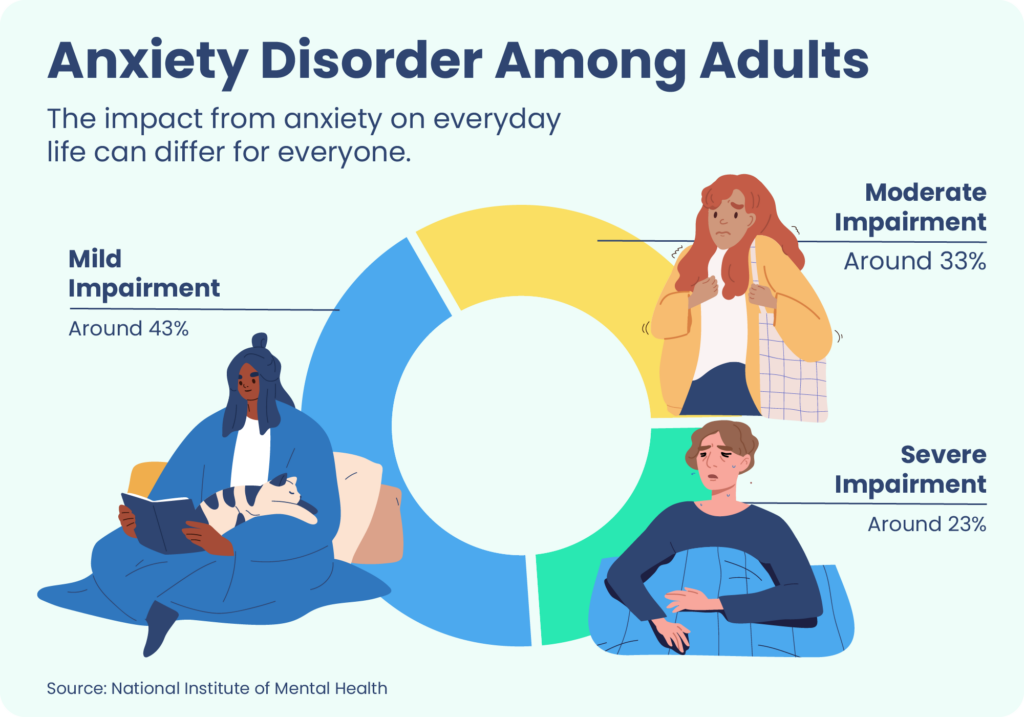
Sleep and anxiety are closely linked. Poor sleep can make anxiety worse. Anxiety can also make it hard to sleep. Understanding this connection helps manage both issues better.
How Sleep Affects The Brain
Sleep helps the brain rest and recover. It clears out toxins that build up during the day. Sleep also supports memory and learning. Without enough sleep, the brain struggles to work well. This affects thinking and decision-making. The brain’s ability to control stress weakens.
Impact Of Sleep Deprivation On Emotions
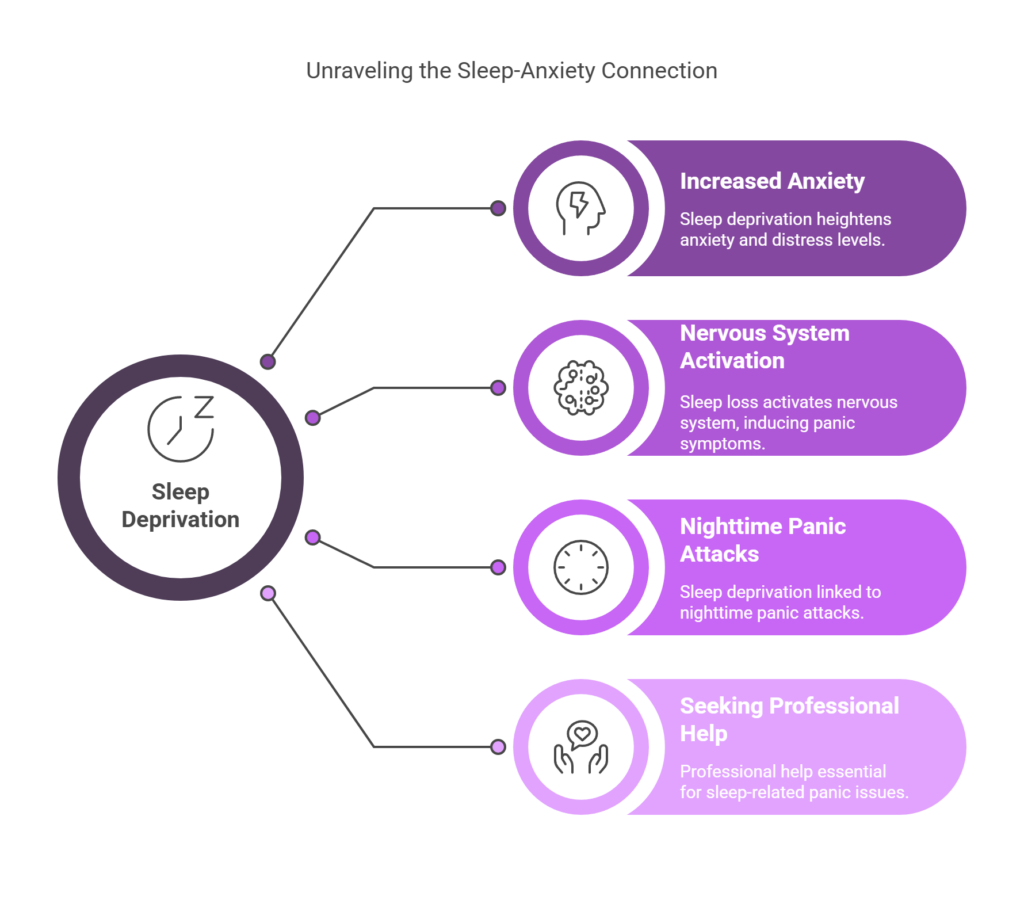
Sleep loss increases emotional sensitivity. Small problems seem bigger than they are. The brain reacts more to negative feelings. This can cause mood swings and irritability. Anxiety levels rise because the brain cannot calm down. Sleep deprivation also reduces the ability to cope with stress.
Biological Mechanisms
The link between lack of sleep and anxiety lies deep within our biology. Sleep affects many body systems that control mood and stress. Understanding these biological mechanisms helps explain why poor sleep raises anxiety levels.
Two key factors play major roles. Stress hormones and brain chemistry both change when sleep is missing. These changes can increase feelings of worry and fear.
Role Of Stress Hormones
Stress hormones like cortisol rise when sleep is low. Cortisol prepares the body for danger. But too much cortisol keeps the body in a constant state of alert.
This constant alertness makes it hard to relax. It also worsens anxiety symptoms. Lack of sleep triggers the release of more cortisol. The body struggles to calm down, increasing anxious feelings.
Changes In Brain Chemistry
Sleep loss alters brain chemicals that control mood. Neurotransmitters like serotonin and dopamine drop with poor sleep. These chemicals help regulate emotions and calm the mind.
Low levels of these neurotransmitters make the brain more sensitive to stress. The amygdala, the brain’s fear center, becomes overactive. This causes stronger anxiety reactions to everyday events.
Sleep Patterns And Anxiety Levels
Sleep patterns have a strong effect on anxiety levels. The way people sleep changes how the brain handles stress and worry. Good sleep helps the brain relax and reset. Poor sleep can make anxiety worse and harder to control.
Understanding sleep patterns can show why anxiety grows when sleep is lacking. Both the quality and consistency of sleep matter a lot. Small changes in sleep habits can cause big shifts in mood and stress.
Effects Of Poor Sleep Quality
Poor sleep quality means waking up often or not reaching deep sleep. This disrupts the brain’s ability to manage emotions. People with bad sleep feel more nervous and stressed.
Low-quality sleep reduces focus and increases negative thoughts. It makes the body produce more stress hormones. These hormones raise anxiety levels and cause physical tension.
Consequences Of Inconsistent Sleep
Inconsistent sleep means sleeping at different times or varying durations each night. This confuses the body’s internal clock. The brain struggles to regulate mood and stress properly.
Irregular sleep patterns lead to fatigue and irritability. Anxiety symptoms become stronger and last longer. Regular sleep helps keep anxiety under control and improves mental health.
Psychological Effects
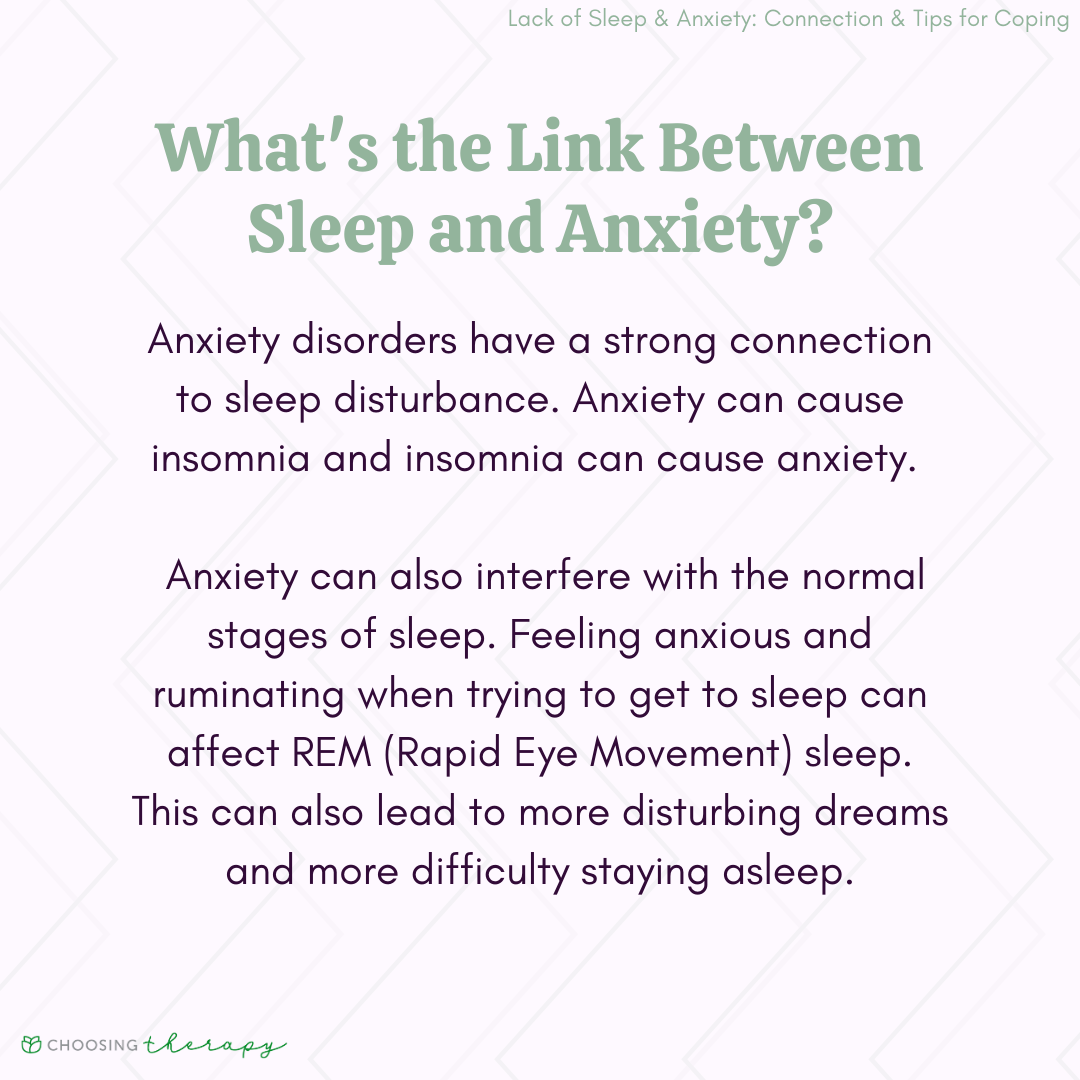
Sleep affects the mind deeply. Without enough rest, the brain struggles to work well. This leads to many psychological effects. Anxiety often grows stronger because the mind cannot manage stress and emotions properly. Understanding these effects helps explain why lack of sleep raises anxiety.
Heightened Sensitivity To Stress
Sleep loss makes the brain react more strongly to stress. Small problems feel bigger and harder to handle. The body produces more stress hormones, making you feel tense and worried. This increased sensitivity can cause anxiety to rise quickly. It becomes difficult to stay calm or think clearly during stress.
Impaired Emotional Regulation
Without enough sleep, controlling emotions becomes harder. The brain’s ability to manage feelings weakens. Negative feelings like fear and sadness last longer and feel stronger. This imbalance can trigger anxious thoughts and mood swings. Poor emotional control feeds anxiety and makes it tough to relax.
Breaking The Cycle
Breaking the cycle of poor sleep and anxiety is key to feeling better. Lack of sleep can make anxiety worse. Anxiety also makes it harder to fall asleep. This creates a loop that is tough to stop. Small changes can help improve sleep and reduce anxiety. These changes focus on habits and calming the mind before bed.
Improving Sleep Hygiene
Sleep hygiene means habits that help you sleep well. Keep a regular bedtime and wake-up time every day. Avoid screens like phones or TVs at least one hour before sleep. Make your bedroom quiet, dark, and cool. Use your bed only for sleep, not work or eating. Avoid caffeine and heavy meals late in the day. These habits help your body prepare for rest.
Techniques To Reduce Anxiety Before Sleep
Relaxation techniques calm your mind before bed. Try deep breathing exercises to slow your heart rate. Listen to soft, soothing music or nature sounds. Write down your worries in a journal to clear your thoughts. Practice gentle stretches or yoga to release tension. These methods help your mind feel peaceful and ready for sleep.
When To Seek Help
Knowing when to seek help for sleep problems and anxiety is very important. Sleep issues can worsen anxiety and affect daily life. Early action can prevent bigger problems.
Signs Of Chronic Sleep Issues
Difficulty falling asleep or staying asleep often is a key sign. Waking up tired after a full night’s rest means poor sleep quality. Feeling sleepy during the day or having trouble focusing also signals chronic sleep problems. Nightmares or restless sleep can disturb your mind. These signs may show that sleep problems are serious and need attention.
Professional Treatments For Sleep And Anxiety
Doctors can offer treatments to improve sleep and reduce anxiety. Cognitive-behavioral therapy helps change thoughts that harm sleep. Medication might be prescribed to ease anxiety or help sleep. Sleep studies can find hidden causes like sleep apnea. Therapy and medicine together can bring better results than alone. Seeking help gives a clear path to better rest and less worry.
Frequently Asked Questions
How Does Lack Of Sleep Trigger Anxiety Symptoms?
Lack of sleep disrupts brain functions that regulate emotions. This increases stress hormone levels, making anxiety symptoms worse. Poor sleep reduces coping ability, intensifying anxious feelings and reactions.
Can Sleep Deprivation Cause Long-term Anxiety Disorders?
Yes, chronic sleep deprivation heightens the risk of developing anxiety disorders. Prolonged poor sleep impairs emotional regulation and brain health, leading to persistent anxiety issues over time.
What Sleep Duration Helps Reduce Anxiety Levels?
Most adults need 7-9 hours of quality sleep per night to lower anxiety. Consistent sufficient sleep supports emotional balance and stress resilience, reducing anxiety risks.
Does Improving Sleep Improve Anxiety Symptoms?
Improving sleep quality often reduces anxiety symptoms. Better rest enhances mood, cognitive function, and stress management, leading to decreased anxiety and improved mental health.
Conclusion
Sleep affects how we feel and think every day. Without enough rest, anxiety grows stronger. The brain needs sleep to calm down and heal. When sleep is poor, worries get louder and harder to manage. Simple changes in sleep habits can lower anxiety levels.
Prioritize rest to help your mind stay clear and calm. Remember, good sleep supports good mental health. It’s a small step with big impact. Take care of your sleep, and anxiety may ease naturally.

