
Have you ever wondered why a good night’s sleep leaves you feeling refreshed, while a restless one leaves you drained? The secret lies in the different stages of sleep your body goes through every night.
Understanding these sleep stages is key to unlocking better health, sharper focus, and more energy. You’ll discover why each stage matters and how they work together to heal your mind and body. Keep reading to learn how paying attention to your sleep can change the way you feel every day.
Quick Navigation
Sleep Cycle Basics
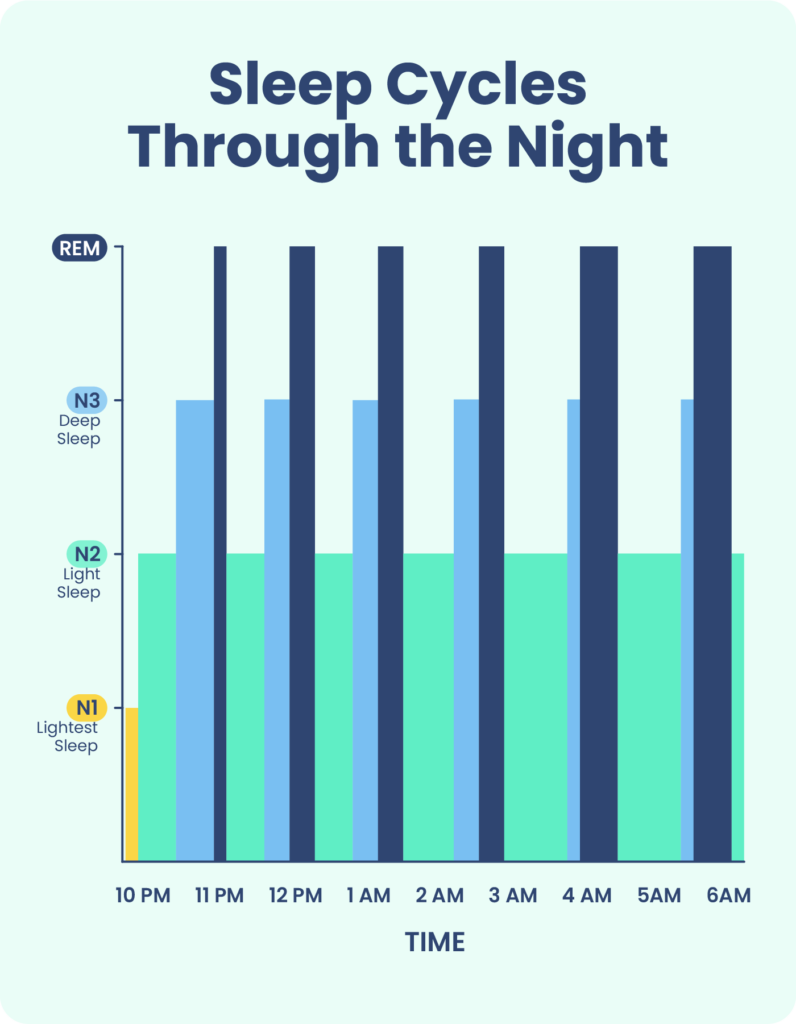
Understanding the sleep cycle is key to knowing why sleep matters for health. Sleep is not just one simple state. It happens in stages that repeat several times each night. Each stage plays an important role in how the body and brain recover and prepare for the next day.
The sleep cycle includes light sleep, deep sleep, and REM sleep. These stages work together to help the body heal and the mind stay sharp. Skipping any stage can affect how you feel and function.
Light Sleep
Light sleep is the first stage of the sleep cycle. It is easy to wake up from this stage. The body starts to relax and slow down. Heart rate and breathing become steady. This stage helps the body transition from being awake to asleep.
Deep Sleep
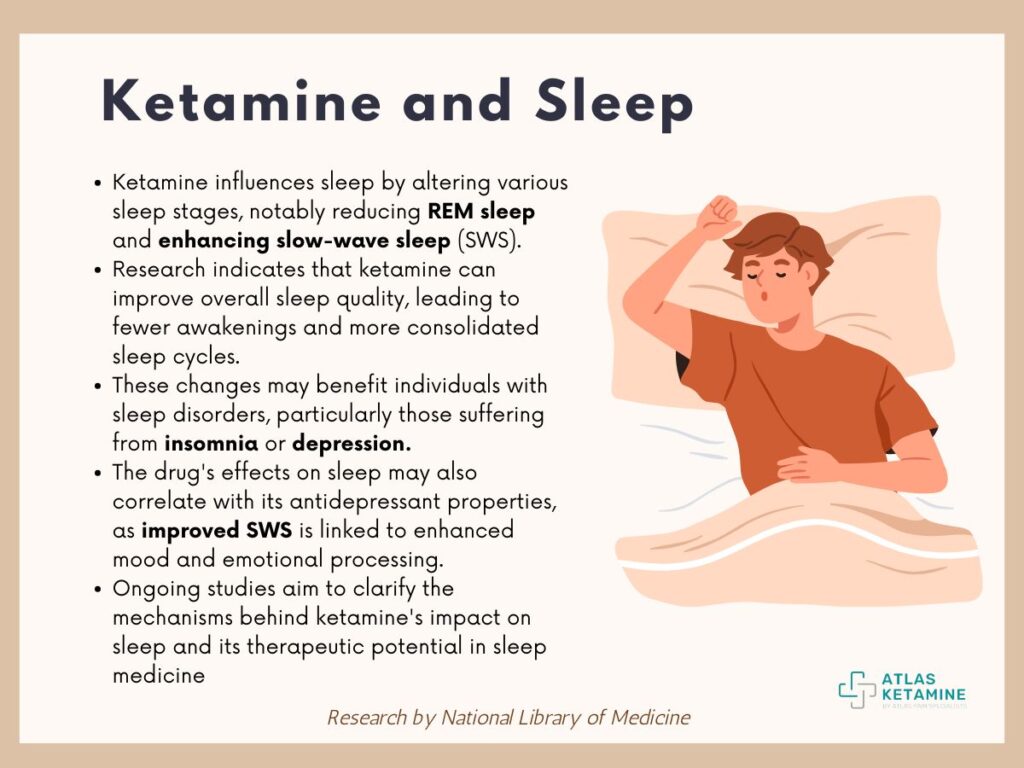
Deep sleep is the most restorative stage. The body repairs muscles and tissues. The immune system grows stronger. Deep sleep also helps the brain clear out waste. It is hard to wake up during this stage. Missing deep sleep can cause tiredness and poor health.
Rem Sleep
REM sleep stands for Rapid Eye Movement sleep. This stage is when most dreaming happens. The brain is very active, almost like when awake. REM sleep supports learning and memory. It also helps regulate mood. The body stays still to prevent acting out dreams.
Physical Health And Sleep
Sleep is more than rest. It plays a key role in keeping the body healthy. Different sleep stages help the body heal, grow, and fight illness. Understanding how sleep affects physical health can help improve overall well-being.
Immune System Support
Sleep helps the immune system fight infections. Deep sleep boosts white blood cells that attack viruses. Without enough sleep, the body struggles to defend itself. Regular good sleep lowers the chance of getting sick.
Heart Health
Sleep affects heart health by lowering blood pressure. During certain sleep stages, the heart rate slows down. This rest reduces stress on the heart. Poor sleep increases the risk of heart disease and stroke.
Muscle Repair
Muscle repair happens mostly during deep sleep. The body releases growth hormones that fix damaged tissues. This process helps muscles recover after exercise or injury. Without enough deep sleep, muscles stay weak and sore.
Mental Health Benefits
Sleep stages play a big role in mental health. Each stage helps the brain work well. Good sleep supports thinking, feeling, and mood. Poor sleep can lead to problems like memory loss and stress. Understanding how sleep helps mental health can improve overall well-being.
Memory Consolidation
Deep sleep helps the brain save memories. It moves new information to long-term storage. This process makes learning easier and recall faster. Without enough deep sleep, memory can weaken. Good sleep helps the brain keep facts and skills.
Emotional Regulation
REM sleep helps control emotions. It allows the brain to process feelings and events. This reduces mood swings and irritability. People with poor REM sleep may feel more anxious or sad. Balanced sleep supports calmness and emotional balance.
Stress Reduction
Sleep lowers stress hormones in the body. It helps the mind relax and recover from daily worries. Without proper sleep, stress builds up and harms health. Restful sleep supports a peaceful mind and better stress control.
Consequences Of Poor Sleep Stages
Poor sleep stages affect your body and mind deeply. Sleep is not just rest. It is a complex cycle that helps repair and restore health. Missing or skipping important sleep stages disrupts this process. The results can be serious and long-lasting.
Each stage of sleep plays a unique role. Without enough deep or REM sleep, your body cannot heal properly. Your brain also struggles to function well. This leads to many health problems over time.
Increased Disease Risk
Poor sleep stages raise the chance of many diseases. Heart disease and diabetes are common risks. Lack of deep sleep harms your immune system. This makes it harder to fight infections. Blood pressure and inflammation may also rise. These changes put extra strain on your body.
Cognitive Impairment
Sleep stages affect how your brain works. Without enough REM sleep, memory and learning suffer. Concentration and focus become weak. You may feel slow or forgetful. Problems with decision-making and creativity also grow. Poor sleep stops the brain from clearing waste. This buildup can harm brain cells over time.
Mood Disorders
Sleep and mood are closely linked. Poor sleep stages increase stress and anxiety. They also raise the risk of depression. Lack of restful sleep makes emotional control difficult. You may feel more irritable or sad. Good sleep helps balance brain chemicals that regulate mood. Skipping key sleep stages disrupts this balance.
Improving Sleep Quality
Improving sleep quality is key to good health. Deep and restful sleep supports brain function, mood, and body repair. Poor sleep affects energy and focus. Small changes in habits and environment make a big difference. Here are some simple ways to improve your sleep quality and enjoy better health.
Sleep Environment Tips
Keep your bedroom dark and quiet. Use heavy curtains or a sleep mask to block light. Turn off noise or use white noise machines. Keep the room cool, around 65°F (18°C). Choose a comfortable mattress and pillows. Remove electronic devices that may distract or disturb your sleep.
Consistent Sleep Schedule
Go to bed and wake up at the same time daily. This helps your body’s internal clock. Avoid sleeping in late on weekends. Regular sleep times improve deep sleep stages. Your body learns when to feel tired and alert. Consistency supports better rest and recovery.
Lifestyle Adjustments
Limit caffeine and heavy meals close to bedtime. Avoid alcohol before sleep; it disrupts deep sleep. Exercise regularly but not right before bed. Try relaxing activities like reading or meditation. Avoid screens and blue light an hour before sleep. These changes help your body relax and prepare for quality rest.
Tracking Sleep Stages
Understanding your sleep stages helps improve your overall health. Tracking these stages shows how well you rest each night. Different methods can measure your sleep patterns. This data helps you make better sleep choices.
Tracking sleep stages also reveals problems like insomnia or sleep apnea. It helps doctors find the root causes of sleep issues. Knowing your sleep cycle helps you feel more refreshed daily.
Wearable Devices
Wearable devices, like smartwatches and fitness bands, track sleep stages easily. They use sensors to measure heart rate and movement. These devices give a rough idea of your sleep quality. Many people use them to improve sleep habits.
Wearables provide data on light, deep, and REM sleep. This helps users see patterns and changes over time. They offer simple reports that anyone can understand. Wearables are affordable and widely available.
Sleep Studies
Sleep studies are medical tests done in clinics or hospitals. They record brain waves, breathing, and eye movements. These tests give detailed information about sleep stages. Doctors use this data to diagnose serious sleep disorders.
Sleep studies are more accurate than home devices. They help find hidden problems affecting your health. These studies guide treatment plans for better sleep and wellness.
Apps And Technology
Many apps use your phone’s sensors to track sleep stages. They analyze sound, movement, and heart rate if paired with a wearable. Apps provide easy-to-read sleep reports every morning. They also give tips to improve sleep quality.
Some apps use smart alarms to wake you during light sleep. This helps you feel less tired on waking. Apps are convenient and fit into daily routines smoothly.

Frequently Asked Questions
What Are The Different Stages Of Sleep?
Sleep has four main stages: light sleep, deep sleep, REM sleep, and awake periods. Each plays a unique role in health and recovery.
Why Is Deep Sleep Important For Health?
Deep sleep helps restore body tissues, boosts immune function, and supports memory consolidation. It is essential for physical and mental recovery.
How Does Rem Sleep Affect Brain Function?
REM sleep enhances learning, problem-solving, and emotional regulation. It supports brain plasticity and memory by processing daily experiences.
Can Disrupted Sleep Stages Harm Overall Health?
Yes, disrupted sleep stages can lead to fatigue, weakened immunity, and cognitive issues. Consistent quality sleep is crucial for well-being.
Conclusion
Sleep stages shape how well your body and mind recover each night. Deep sleep helps repair and grow cells. REM sleep boosts memory and mood. Light sleep prepares you to wake up refreshed. Skipping these stages can harm health over time.
Focus on good sleep habits to support all stages. Quality sleep means better energy, focus, and overall wellness. Small changes in your routine can make a big difference. Prioritize sleep to feel healthier and live happier.