
As an Amazon Associate I earn from qualifying purchases.
Are you waking up with sharp hip pain that ruins your day before it even begins? Finding the right sleep position can make a huge difference in how your hips feel when you wake up.
The wrong posture at night might be causing more discomfort than you realize. But don’t worry—this article will guide you to the best sleep position for hip pain, so you can finally enjoy restful nights and pain-free mornings. Keep reading to discover simple changes that could transform your sleep and improve your hip health.
Quick Navigation
Causes Of Hip Pain During Sleep
Hip pain during sleep can disrupt rest and cause discomfort. Understanding the causes of this pain helps in managing it better. Several factors contribute to hip pain at night. These include physical conditions and how you position your body while sleeping.
Common Hip Pain Triggers
Arthritis is a major cause of hip pain. It leads to joint inflammation and stiffness. Bursitis causes swelling of the hip bursa, which hurts during movement. Hip injuries from falls or overuse can also cause pain. Muscle strain around the hip adds to discomfort. Poor blood flow or nerve issues may increase pain sensations at night.
Impact Of Sleep Posture On Hip Pain
Sleeping in the wrong position puts pressure on the hips. Lying on the side without support can strain the hip joint. Sleeping on the stomach twists the hips and back. These positions cause pain by increasing stress on soft tissues. Using the right posture reduces hip pressure and eases pain. Proper support helps maintain spine and hip alignment.
:max_bytes(150000):strip_icc()/hip-pain-at-night-lying-on-side-5094915-V1-9f77f884628a4f2bb3c4d5dbd06e0216.jpg)
Top Sleep Positions For Hip Pain Relief
Finding the right sleep position can ease hip pain. A good position helps reduce pressure on the hips. It can improve sleep quality and comfort. The right posture supports healing and prevents stiffness.
Here are the top sleep positions that relieve hip pain. Each position offers unique benefits for hip comfort. Try these to see what works best for you.
Sleeping On Your Back
Sleeping on your back spreads weight evenly. This position lowers pressure on the hips. Place a pillow under your knees to keep hips aligned. It helps maintain the natural curve of the spine. Back sleeping reduces stress on joints and muscles.
Side Sleeping With Pillow Support
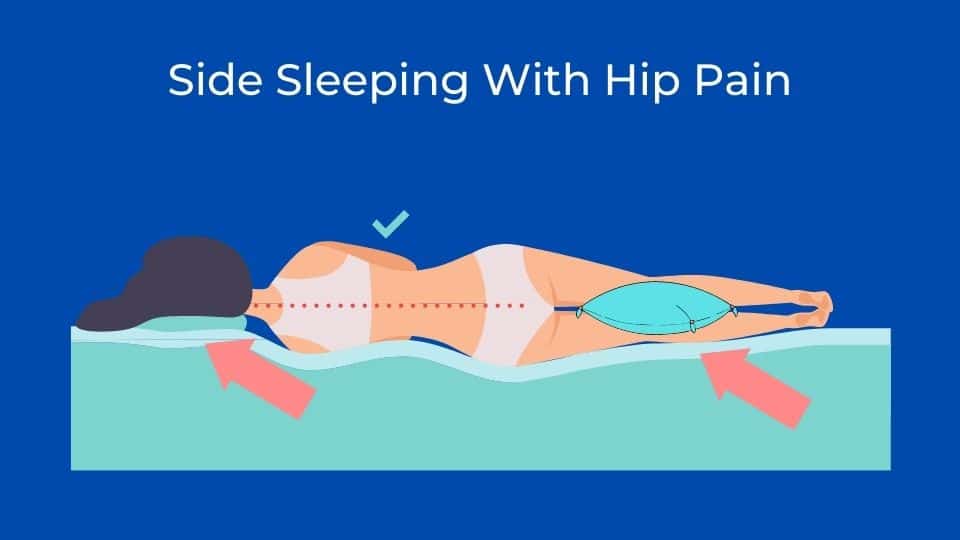
Side sleeping is common for hip pain relief. Keep hips stacked to avoid twisting the spine. Place a firm pillow between your knees. This pillow keeps hips level and reduces strain. It also helps maintain good posture during sleep.
Avoiding Stomach Sleeping
Stomach sleeping increases pressure on the hips. It can twist your spine and cause discomfort. This position often leads to poor alignment. Avoid stomach sleeping to prevent worsening hip pain. Choose back or side sleeping for better support.
Choosing The Right Mattress And Pillow
Choosing the right mattress and pillow plays a big role in reducing hip pain. A mattress that supports your body well can ease pressure on your hips. The right pillow helps keep your hips in good alignment. Together, they create a comfortable sleep setup that can help you wake up pain-free.
Mattress Firmness And Support
The mattress should be firm enough to support your hips but soft enough to cushion them. Medium-firm mattresses often work best. They keep your hips from sinking too deep. This helps maintain your spine’s natural curve. Avoid very soft mattresses that cause your hips to drop. Too firm mattresses can create extra pressure points. A mattress with good support helps reduce hip pain over time.
Pillow Placement For Hip Alignment
Placing a pillow between your knees keeps your hips aligned. It prevents one hip from resting on top of the other. This reduces stress on your hip joints. Use a firm pillow that holds its shape. For back sleepers, a small pillow under the knees helps. It keeps the hips in a neutral position. Proper pillow placement supports healthy hip alignment while you sleep.
Additional Tips To Ease Hip Pain At Night
Hip pain at night can disturb your rest and make mornings tough. Trying the right sleep position helps, but other small changes can ease discomfort. These extra steps prepare your body for better sleep and reduce hip pain.
Stretching Before Bed
Gentle stretches relax tight muscles around the hips. Stretching improves blood flow and reduces stiffness. Focus on hip flexors, glutes, and lower back stretches. Hold each stretch for 20 to 30 seconds. Avoid bouncing or forcing your body.
Heat And Cold Therapy
Heat soothes sore muscles and increases circulation. Use a warm towel or heating pad on the hip for 15 minutes. Cold therapy reduces inflammation and numbs sharp pain. Apply an ice pack wrapped in cloth for 10 to 15 minutes. Alternate heat and cold for best results.
Lifestyle Changes To Improve Sleep Quality
Good sleep hygiene supports pain relief and healing. Keep a regular sleep schedule by going to bed and waking up at the same time. Create a calm bedroom free from noise and light. Avoid caffeine and heavy meals close to bedtime. Limit screen time before sleeping to help your brain relax.
When To Seek Medical Advice
Knowing when to seek medical advice for hip pain is important. Hip pain can sometimes be a sign of a serious problem. Early help can prevent more damage and reduce pain. Pay close attention to your symptoms and how long they last.
Signs Of Severe Hip Issues
Severe hip pain that does not improve needs attention. Sudden sharp pain after an injury is a warning. Difficulty walking or putting weight on the leg is serious. Swelling, redness, or warmth around the hip can mean infection. Notice if the hip feels weak or unstable. Night pain that wakes you up is a concern.
Treatment Options For Chronic Hip Pain
Doctors may suggest physical therapy to strengthen muscles. Pain relievers or anti-inflammatory drugs can help ease discomfort. In some cases, corticosteroid injections reduce swelling and pain. Surgery may be an option for damaged joints or fractures. Lifestyle changes like weight loss and exercise can improve hip health. Early treatment often leads to better recovery.

Frequently Asked Questions
What Is The Best Sleep Position For Hip Pain Relief?
Sleeping on your side with a pillow between your knees is best. It keeps hips aligned and reduces pressure on joints. This position helps ease hip pain and improves sleep quality.
Can Sleeping On My Back Help With Hip Pain?
Yes, sleeping on your back with a pillow under your knees supports spinal alignment. It reduces stress on the hips and prevents stiffness. This position is ideal for those with hip discomfort.
Should I Avoid Sleeping On My Stomach With Hip Pain?
Yes, sleeping on your stomach puts pressure on your hips and spine. It can worsen hip pain and cause misalignment. Avoid this position if you suffer from hip discomfort.
How Does Pillow Placement Affect Hip Pain During Sleep?
Proper pillow placement supports joint alignment and reduces pressure. Placing a pillow between your knees or under your hips can relieve hip pain. This simple adjustment improves comfort and sleep quality.
Conclusion
Choosing the right sleep position can ease hip pain significantly. Side sleeping with a pillow between the legs often helps. It keeps hips aligned and reduces pressure. Avoid sleeping on the painful side to lessen discomfort. A firm mattress supports your body well.
Small changes in how you sleep bring big relief. Try different positions and notice what feels best. Good sleep habits improve overall comfort and rest. Pain may reduce with patience and proper care. Sleep well, and let your hips heal naturally.