Are you waking up with a stiff, aching lower back? You’re not alone.
Lower back pain can make even simple tasks feel tough, and the wrong sleep position might be making it worse. Finding the best sleep position for lower back pain isn’t just about comfort—it can actually help reduce your pain and improve your overall rest.
You’ll discover easy adjustments that can make a big difference in how your back feels when you wake up. Keep reading to learn how to sleep better and wake up pain-free.
Quick Navigation
Causes Of Lower Back Pain
Lower back pain affects many people daily. It can reduce movement and cause discomfort. Understanding the causes helps to find relief. Many factors lead to pain in the lower back. Knowing these can guide better sleep and posture choices.
Common Triggers
Straining muscles is a frequent cause of lower back pain. Heavy lifting or sudden movements can hurt the back. Sitting for long hours also stresses the lower back. Injury from falls or accidents often triggers pain. Age can wear down spinal discs, causing discomfort. Poor lifestyle habits like lack of exercise contribute too.
Posture And Spine Alignment
Bad posture puts extra pressure on the spine. Slouching or leaning forward shifts weight unevenly. This misalignment strains muscles and ligaments. Sleeping in awkward positions can worsen spine issues. Proper spine alignment reduces tension and pain. Keeping the back straight supports healthy muscles and joints.
Impact Of Sleep On Back Pain
Sleep plays a big role in how the lower back feels. Poor sleep can make back pain worse. Good sleep helps the body heal and reduces pain. The way you sleep affects the spine’s health. Choosing the best sleep position can ease pressure on the back. It also helps muscles relax and recover.
Understanding how sleep impacts back pain can guide better habits. Small changes in sleep can bring big relief. Rest is not just about hours, but quality and position too.
How Sleep Affects Spine Health
The spine needs support during sleep. Without it, discs and joints can get stressed. The right sleep position keeps the spine straight and aligned. This reduces pressure on nerves and muscles. Poor positions cause stiffness and pain in the lower back. Sleeping on a firm mattress helps keep the spine stable. Pillows can also support the natural curve of the spine. Proper support helps the spine repair itself overnight.
Connection Between Sleep Quality And Pain
Good sleep quality lowers pain sensitivity. When sleep is poor, the body feels more pain. Deep sleep helps reduce inflammation and muscle tension. Lack of rest can increase stress hormones, making pain worse. Chronic back pain often links to poor sleep patterns. Better sleep means less pain and more energy during the day. Improving sleep quality is a key step in managing back pain.
Top Sleep Positions For Lower Back Pain
Finding the best sleep position can reduce lower back pain. Proper positioning supports the spine and muscles. Sleeping well helps your body heal and feel better. Below are top sleep positions that ease lower back pain.
Sleeping On Your Back
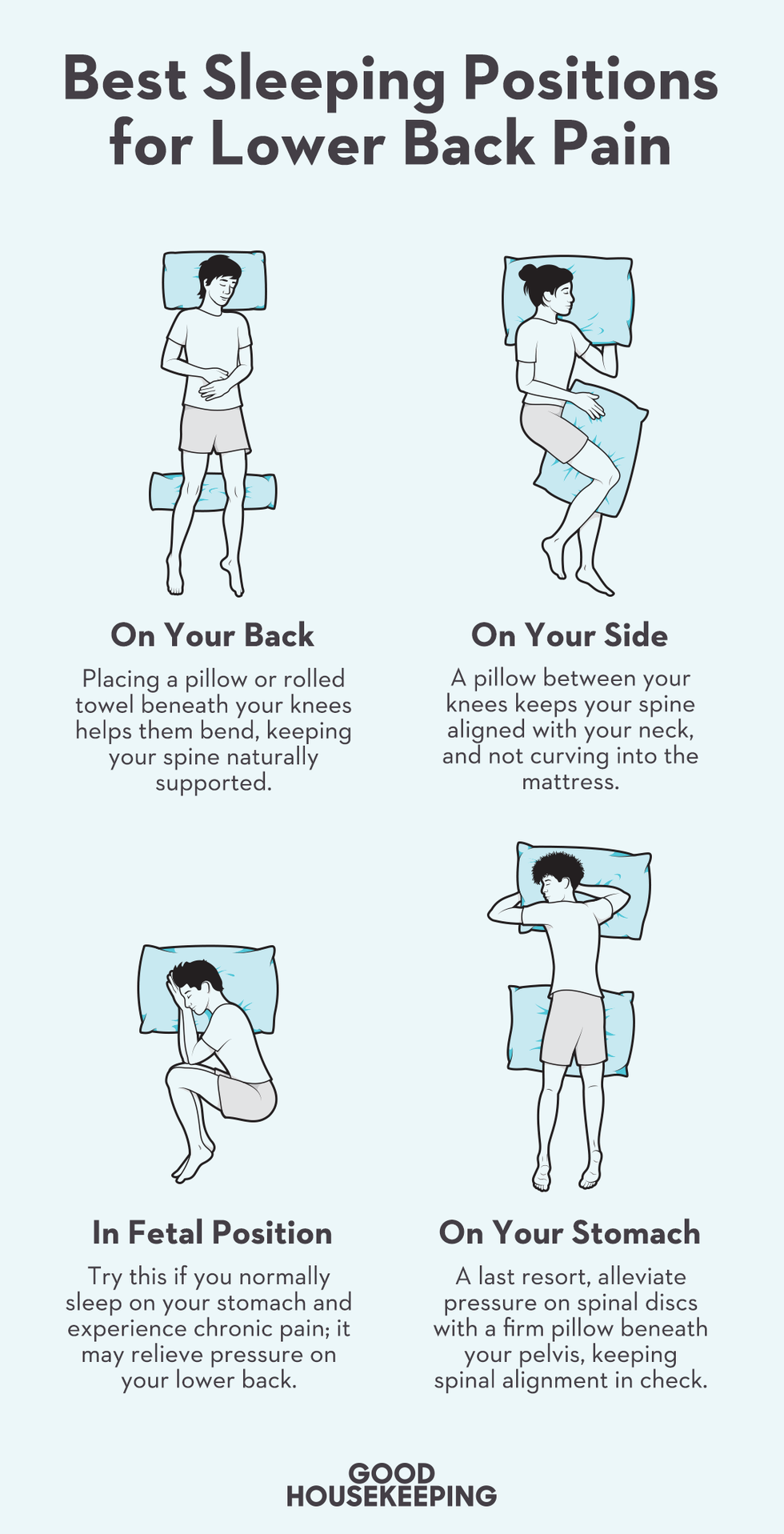
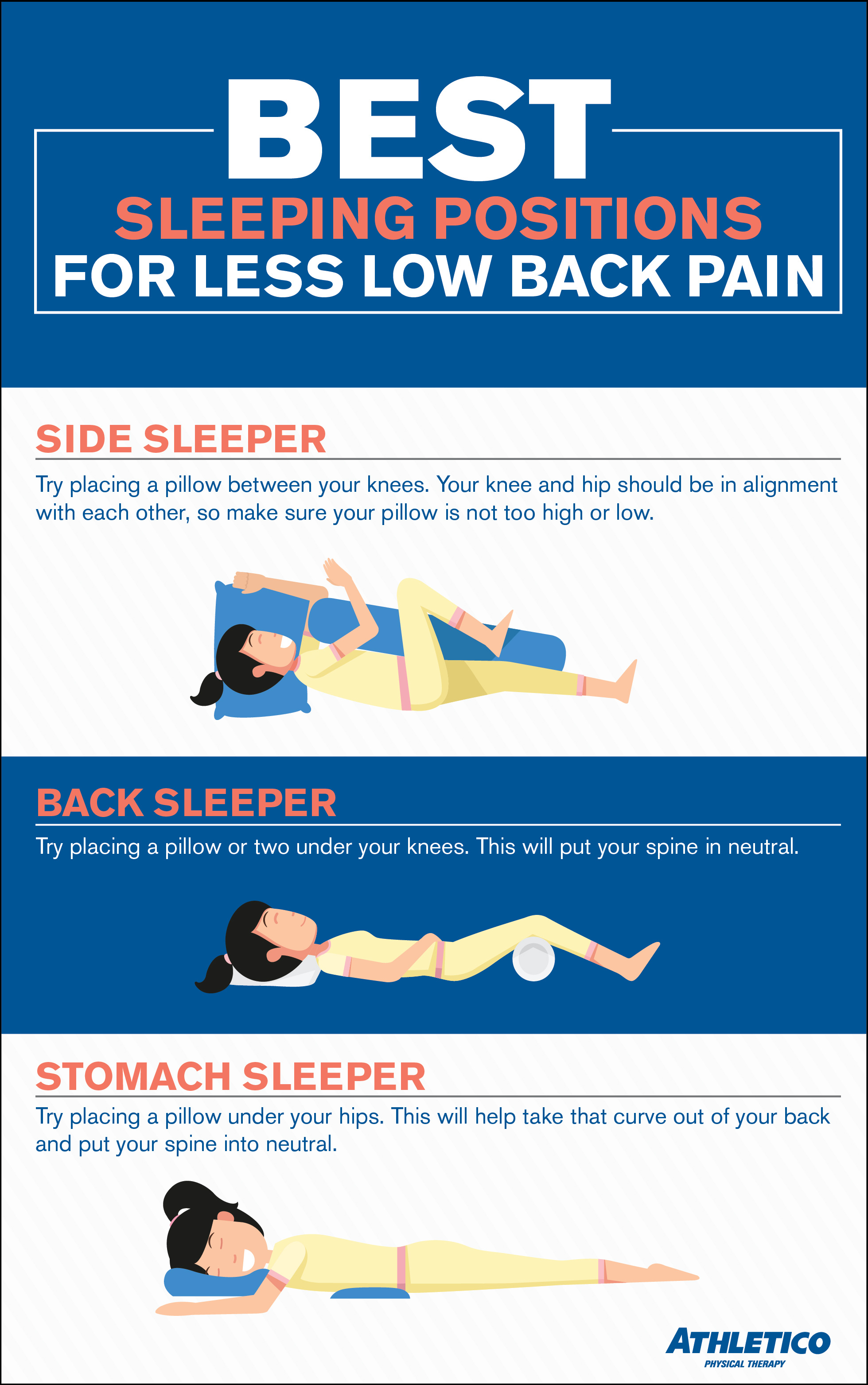
Sleeping on your back spreads weight evenly across the body. It keeps your spine aligned and reduces pressure points. Place a pillow under your knees to keep the natural curve of your lower back. Avoid thick pillows under your head to prevent neck strain.
Side Sleeping With Knee Support
Side sleeping is common and can relieve back pain with the right support. Bend your knees slightly and place a pillow between them. This keeps your hips, pelvis, and spine aligned. Use a firm pillow to support your head and neck straight.
Fetal Position Benefits
The fetal position involves curling your body with knees drawn toward the chest. It opens up the space between vertebrae, easing pressure on discs. This position is good for people with herniated discs or spinal stenosis. Keep your body relaxed and avoid curling too tightly.
Positions To Avoid
Choosing the right sleep position can ease lower back pain. Some positions make pain worse. Avoiding them helps protect your spine. Here are sleep positions to avoid for better back health.
Stomach Sleeping Drawbacks
Sleeping on your stomach puts pressure on your spine. Your neck twists in an awkward angle. This can cause stiffness and pain. It also flattens the natural curve of the spine. Over time, this position may increase lower back pain. It limits the spine’s ability to rest and recover.
Poor Posture Habits In Bed
Slouching or curling up tightly can harm your back. Poor posture strains muscles and ligaments. It causes uneven weight distribution on the spine. This adds stress to your lower back. Avoid twisting your body or bending sharply. Keeping a neutral spine helps reduce pain and stiffness.
Tips To Improve Sleep Posture
Improving sleep posture helps reduce lower back pain. Small changes make a big difference. A few simple tips can help you rest better and wake up pain-free.
Choosing The Right Mattress
The mattress supports your spine during sleep. A mattress that is too soft lets your body sink too much. A mattress that is too firm creates pressure points. Find a medium-firm mattress to keep your back aligned. Replace an old mattress that sags or feels uncomfortable.
Using Pillows Effectively
Pillows help keep your spine straight. Place a pillow under your knees if you sleep on your back. This reduces stress on your lower back. If you sleep on your side, put a pillow between your knees. It keeps your hips and spine aligned. Avoid thick pillows under your head that bend your neck too much.
Stretching Before Bedtime
Stretching relaxes muscles and eases stiffness. Try gentle stretches for your lower back and hips. Stretching improves blood flow and reduces tension. Do stretches slowly and breathe deeply. Avoid intense stretches that cause pain. A calm body helps you fall asleep faster and sleep more soundly.
Lifestyle Changes For Better Back Health
Improving back health involves more than just choosing the right sleep position. Small changes in daily habits can reduce pain and strengthen your lower back. Healthy routines support recovery and prevent future problems.
Simple lifestyle shifts can ease discomfort and improve overall spine health. Consistent care helps maintain a strong and flexible back. Focus on key areas like exercise, posture, and stress management for the best results.
Exercise And Strengthening
Regular exercise builds muscles that support your lower back. Strong core muscles reduce strain on the spine. Gentle stretching improves flexibility and eases stiffness. Low-impact activities like walking or swimming are gentle on your back. Avoid sudden, heavy lifting or twisting movements.
Ergonomic Adjustments
Proper posture at work and home protects your back. Use chairs that support the natural curve of your spine. Position screens at eye level to avoid neck strain. Take breaks to stand and stretch during long sitting periods. Adjust your sleeping environment to maintain spinal alignment.
Managing Stress
Stress can increase muscle tension and worsen back pain. Practice deep breathing or meditation to relax muscles. Regular rest and sleep help the body heal. Avoid tight clothes that restrict movement. Stay calm to support overall back health and comfort.

Frequently Asked Questions
What Is The Best Sleep Position For Lower Back Pain?
Sleeping on your back with a pillow under your knees is best. It keeps your spine neutral and reduces pressure on your lower back. Side sleeping with a pillow between your knees also helps maintain spinal alignment.
Can Sleeping On My Stomach Worsen Lower Back Pain?
Yes, sleeping on your stomach can strain your spine and neck. This position flattens the natural curve of your lower back, increasing pain. Avoid stomach sleeping to reduce lower back discomfort and improve overall spinal health.
How Does A Pillow Help Reduce Lower Back Pain?
A pillow supports proper spinal alignment and eases pressure points. Placing one under your knees or between your legs reduces strain on your lower back. Proper pillow use improves comfort and promotes restful sleep for back pain sufferers.
Is Side Sleeping Good For Lower Back Pain Relief?
Side sleeping can relieve lower back pain if done correctly. Use a firm mattress and place a pillow between your knees. This keeps your hips and spine aligned, reducing stress and promoting better sleep quality.
Conclusion
Choosing the right sleep position helps ease lower back pain. Sleeping on your side with a pillow between your legs supports your spine. Avoid sleeping on your stomach, as it strains your back. A good mattress also plays a key role in comfort.
Small changes can make a big difference in pain relief. Try these tips to improve your sleep quality and wake up refreshed. Healthy sleep habits support a stronger, pain-free back every day. Give your body the rest it needs.