
As an Amazon Associate I earn from qualifying purchases.
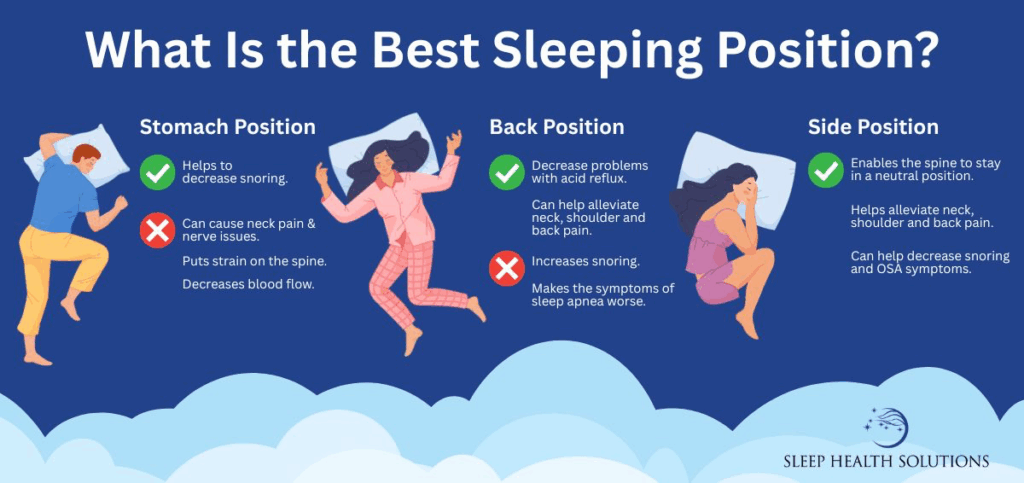
Have you ever wondered how your favorite sleeping position might be affecting your body? If you sleep on your side, you’re not alone—millions of people do.
But did you know that the way you lie down each night can have a big impact on how your organs work? Understanding how side sleeping affects your organs can help you improve your health and feel better every day.
Keep reading to discover surprising facts about what’s happening inside your body when you sleep on your side—and learn simple tips to make your sleep even healthier.
Quick Navigation
Benefits Of Side Sleeping
Side sleeping offers many health benefits. It supports the body in ways other positions do not. This position helps organs work better and improves overall health. Here are some key benefits of side sleeping.
Improved Digestion
Sleeping on the left side helps food move through the digestive system. It reduces acid reflux and heartburn symptoms. This position allows the stomach to sit below the esophagus. It prevents stomach acids from rising and causing discomfort. Side sleeping can support better digestion every night.
Enhanced Brain Health
Side sleeping helps the brain clear waste more efficiently. The brain removes toxins faster in this position. This process may lower the risk of brain diseases. Side sleeping supports good brain function and mental clarity. It helps keep the brain healthy over time.
Better Heart Function
Sleeping on the left side reduces pressure on the heart. It improves blood flow and helps the heart pump better. This position can lower the risk of heart problems. Side sleeping supports healthy circulation and heart function. It is a simple way to care for the heart during sleep.

Impact On The Lungs
Side sleeping affects lung function in distinct ways. The position changes how air moves through the lungs. It also impacts how well the lungs work during sleep. Understanding these effects helps improve breathing and overall health.
Airway Alignment
Sleeping on your side keeps the airway open. This position reduces the chance of the tongue blocking airflow. It helps prevent snoring and sleep apnea. The airway stays more aligned than in other positions. This alignment allows air to flow freely and smoothly.
Breathing Efficiency
Side sleeping can improve breathing efficiency. It allows the lungs to expand fully on the top side. Gravity helps air fill the upper lung better. Blood flow matches air distribution well in this position. This balance improves oxygen intake and carbon dioxide removal. Breathing feels easier and more natural for many people.
Effects On The Liver
The liver is a vital organ that helps cleanse the body of toxins. Its function can be influenced by how you sleep. Side sleeping affects the liver differently compared to back or stomach sleeping. Understanding these effects helps you take better care of your health.
Position And Detoxification
Sleeping on the right side may support liver detoxification. This position allows better blood flow to the liver. Improved circulation helps the liver process toxins efficiently. The liver is located on the right side of the body. Resting on this side might ease pressure on the organ. This can help it work without interruption during sleep.
Potential Strain Risks
Sleeping on the left side may put slight pressure on the liver. This pressure could affect liver function over time. The liver is a large organ and sensitive to body position. Constant strain might reduce its ability to filter toxins. People with liver issues should consider their sleep position carefully. Avoiding prolonged pressure on the liver can protect its health.

Kidney Health And Side Sleeping
Sleeping on your side can affect kidney health in several ways. The kidneys filter waste and balance fluids in the body. Their proper function depends on good blood flow and fluid drainage. Side sleeping helps support these processes.
Fluid Drainage
Side sleeping can improve fluid drainage from the kidneys. Gravity helps move fluids more easily when lying on the side. This reduces swelling and helps the kidneys remove waste faster. The left side, in particular, may aid better fluid flow.
Blood Pressure Regulation
The kidneys play a key role in controlling blood pressure. Side sleeping can help keep blood pressure steady. It may reduce pressure on blood vessels around the kidneys. This allows the kidneys to work without extra stress. A calm blood flow supports kidney health and lowers risks.
Influence On The Spine And Muscles
Side sleeping impacts the spine and muscles in important ways. This position can help reduce pressure on certain areas of the body. It also affects how the spine stays aligned and how muscles relax during sleep. Understanding these effects can help improve comfort and reduce pain.
Spinal Alignment
Sleeping on your side can support a natural spine curve. This position helps keep the neck, shoulders, and back in a straight line. Proper alignment prevents strain on the spine and reduces back pain. Using a pillow between the knees can improve this alignment. It stops the hips from twisting and keeps the lower back stable.
Muscle Relaxation
Side sleeping allows muscles to relax more deeply. It reduces tension in the back and neck muscles. The position also helps decrease pressure on muscles that support the spine. Relaxed muscles can heal better and prevent stiffness. Using the right mattress firmness helps muscles stay loose and comfortable all night.
Risks Of Poor Side Sleeping Habits
Poor side sleeping habits can cause several health problems. Sleeping in the wrong position or without proper support strains the body. This can lead to discomfort and affect how organs function. Many people do not realize the hidden risks linked to side sleeping. Simple changes can reduce these problems and improve overall health.
Nerve Compression
Side sleeping can put pressure on nerves in the arms and shoulders. This pressure may cause numbness or a tingling sensation. Over time, nerve compression can lead to pain and weakness. Using a pillow that supports the neck and head helps reduce this risk. Changing sleep positions often also prevents constant pressure on the nerves.
Facial Wrinkles And Skin Health
Pressing the face against a pillow causes skin to fold and crease. These folds can turn into wrinkles over time. Side sleeping on the same side every night increases this effect. The skin may lose elasticity and look older sooner. Choosing a soft, smooth pillowcase can protect skin health. Sleeping on the back reduces pressure on the face and helps keep skin smooth.
Choosing The Best Side For Sleep
Choosing the best side for sleep can affect your body in many ways. Your organs rest differently depending on your sleeping side. This choice impacts digestion, heart health, and breathing. Understanding these effects helps you pick a side that feels best and supports your health.
Left Side Advantages
Sleeping on the left side can improve digestion. The stomach and pancreas hang naturally, aiding enzyme flow. This position may reduce heartburn and acid reflux. It helps keep stomach acid lower in the esophagus. The left side also supports better heart function. Gravity helps blood flow back to the heart with less pressure.
Right Side Considerations
The right side can ease pressure on the lungs and heart. This position might feel more comfortable for some people. However, it can increase acid reflux for others. The liver rests on the right side and may press down more. Right side sleep might not be best for those with heart issues. It’s important to notice how your body reacts.
Tips For Healthy Side Sleeping
Sleeping on your side can help with many health issues. It can reduce snoring and improve digestion. But side sleeping also affects your organs. Good habits can keep your body safe and comfortable.
Here are some tips for healthy side sleeping. These tips help protect your spine, organs, and muscles. They also improve your sleep quality.
Pillow Support
Choose a pillow that keeps your head straight. A pillow too high or low strains your neck. Use a firm pillow to fill the space between your neck and mattress. This keeps your spine aligned.
Place a small pillow between your knees. It reduces pressure on your hips and lower back. This simple step eases organ strain and muscle tension.
Mattress Selection
Select a mattress that supports your body shape. A mattress that is too soft or too hard causes pain. Medium-firm mattresses work best for side sleepers. They keep your spine in a neutral position.
A good mattress reduces pressure on your shoulders and hips. This helps organs rest without extra stress. Replace your mattress every 7 to 10 years for best support.
Body Position Adjustments
Keep your body straight from head to toe. Avoid curling into a tight fetal position. Stretch your legs slightly to ease organ compression. This improves blood flow and breathing.
Try to switch sides during the night. Sleeping on the same side all night can cause uneven pressure. Changing sides helps balance organ weight and reduces stiffness.
Frequently Asked Questions
How Does Side Sleeping Impact Heart Health?
Side sleeping, especially on the left side, can improve heart circulation. It reduces pressure on the heart and aids blood flow. This position may lower the risk of heartburn and acid reflux, promoting better cardiovascular health during sleep.
Does Side Sleeping Benefit Liver Function?
Sleeping on the right side may reduce liver pressure and improve its function. This position helps in better blood flow to the liver. It can support detoxification processes and reduce discomfort for those with liver issues.
Can Side Sleeping Affect Lung Capacity?
Side sleeping can enhance lung function by allowing better lung expansion. It reduces pressure on the lungs compared to back sleeping. This position may improve breathing quality, especially for people with respiratory problems.
How Does Side Sleeping Influence Digestive Organs?
Side sleeping, particularly on the left, aids digestion by promoting better stomach and intestinal alignment. It helps reduce acid reflux and improves waste movement through the colon. This can lead to more comfortable and efficient digestion during sleep.
Conclusion
Side sleeping can impact your organs in many ways. It often helps with digestion and reduces heart strain. Sleeping on the left side may improve blood flow and ease acid reflux. Yet, it might cause pressure on the lungs or liver.
Choosing the best side depends on your health needs. Pay attention to comfort and body signals. Small changes in sleeping position can support better organ function. Try different sides to find what feels best for you. Good sleep habits promote overall health and well-being.