
As an Amazon Associate I earn from qualifying purchases.
Are you waking up with a stiff, aching neck that just won’t go away? The way you sleep might be the hidden cause of your neck pain.
Finding the best sleep position for neck pain can make a huge difference in how you feel every morning. Imagine starting your day refreshed, without that nagging discomfort pulling you down. You’ll discover simple, effective sleep positions that protect your neck and help you wake up pain-free.
Keep reading to find out how small changes in your sleep habits can bring big relief to your neck.
Quick Navigation
Impact Of Sleep Positions On Neck Pain
Neck pain often relates to how you sleep. The way you position your head and neck during sleep can either ease or worsen the pain. Poor sleep posture puts stress on the neck muscles and joints. This stress can cause stiffness and discomfort by morning. Understanding the impact of sleep positions helps you choose the best way to rest. Choosing the right position can protect your neck and improve sleep quality.
How Sleep Affects Neck Health
Sleep is a time for the body to heal and rest. The neck needs support to stay aligned with the spine. Without support, muscles strain to hold the head up. This strain causes pain and stiffness. Good sleep posture keeps the neck in a natural curve. It reduces muscle tension and pressure on joints. Poor posture can lead to chronic neck problems over time.
Common Sleep Positions And Neck Strain
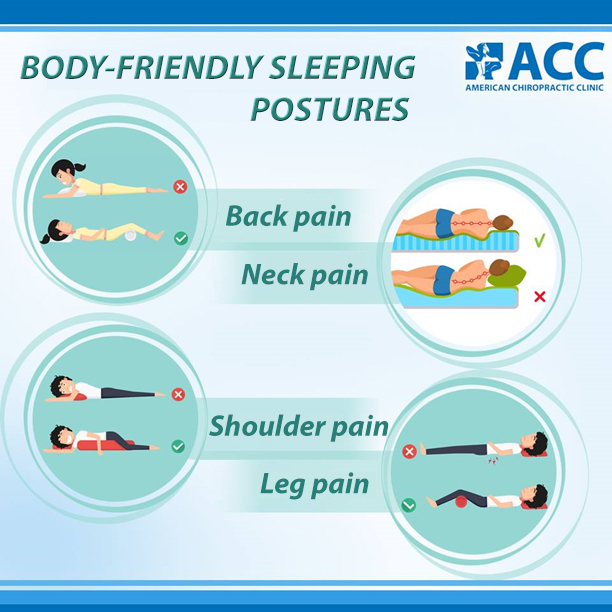
Many people sleep on their back, side, or stomach. Each position affects the neck differently. Back sleeping can be good if the pillow supports the head properly. A pillow too high or low causes the neck to bend unnaturally. Side sleeping often causes the neck to tilt or twist. This position needs a firm pillow to fill the space between the neck and mattress. Stomach sleeping usually causes the neck to turn sharply to one side. This twist can increase neck pain and stiffness.
Top Sleep Positions To Ease Neck Pain
Neck pain can make falling asleep hard and waking up worse. Choosing the right sleep position helps ease tension and supports your neck. Some positions keep your spine straight and reduce strain on neck muscles. Others might cause pain or stiffness. Try these top sleep positions to find relief and better rest.
Back Sleeping Benefits
Sleeping on your back keeps your neck and spine aligned. This position spreads your weight evenly across the body. It reduces pressure points and muscle strain in the neck. Use a pillow that supports the natural curve of your neck. Avoid thick pillows that push your head forward. Back sleeping helps maintain a neutral posture for your neck all night.
Side Sleeping Advantages
Side sleeping can also support your neck well. Keep your head aligned with your spine by using a firm pillow. Choose one that fills the space between your neck and the mattress. This prevents your neck from bending unnaturally. Sleeping on your side may reduce snoring and improve breathing too. Switch sides regularly to avoid muscle stiffness.
Avoiding Stomach Sleeping
Stomach sleeping often causes neck pain. Turning your head to one side twists your neck all night. This position places strain on neck muscles and joints. It also flattens the natural curve of your spine. Try not to sleep on your stomach. If you must, use a very thin pillow or none at all. This reduces neck strain and discomfort.
Choosing The Right Pillow
Choosing the right pillow plays a key role in easing neck pain. The pillow supports your head and neck, keeping your spine aligned. A poor pillow can make pain worse. Picking the correct pillow helps you sleep better and wake up refreshed.
Pillow Height And Firmness
The pillow height should match your sleeping position. Side sleepers need a higher pillow to fill the space between the neck and mattress. Back sleepers benefit from a medium height pillow to support the natural curve of the neck. Stomach sleepers need a thin pillow or none at all to avoid neck strain.
Firmness matters too. A pillow too soft will not support your neck well. A pillow too firm can create pressure points. Choose a pillow with medium firmness for balanced support and comfort.
Materials For Neck Support
Memory foam molds to the shape of your head and neck. It helps keep the spine aligned. Latex pillows offer firm support and resist flattening. Feather pillows are soft but may lack firm support.
Look for pillows with breathable materials. This prevents overheating during sleep. Some pillows combine materials for better comfort and support.
Specialty Pillows To Consider
Cervical pillows have a curved design to support neck curves. They reduce strain and improve posture during sleep. Contour pillows help keep the head in a neutral position. Wedge pillows elevate the upper body and relieve pressure on the neck.
Try different specialty pillows to find one that fits your needs. A good pillow can make a big difference for neck pain relief.

Tips For Better Neck Alignment
Good neck alignment is key to reducing pain during sleep. Small changes can make a big difference. These tips help keep your neck in a natural, relaxed position. This lets your muscles rest and heal overnight.
Try these simple steps to improve your neck support and sleep better.
Proper Head And Neck Positioning
Keep your head in line with your spine. Avoid tilting your head too far forward or back. Use a pillow that supports the natural curve of your neck. Your head should not sink too deep or be pushed too high. This balance helps reduce strain on neck muscles.
Using Neck Rolls And Supports
Neck rolls provide extra support to the natural curve. Place a small roll or towel under your neck while sleeping. This keeps your neck stable and prevents it from bending oddly. Neck supports can reduce stiffness and improve comfort.
Adjusting Mattress Firmness
Choose a mattress that supports your whole body evenly. A mattress that is too soft can cause your neck to drop. A very firm mattress may create pressure points. Find a medium-firm mattress that keeps your spine straight and neck aligned.
Lifestyle Habits To Reduce Neck Pain
Neck pain often results from daily habits and lifestyle choices. Changing these habits can help reduce discomfort and improve neck health. Simple changes in daily routine can make a big difference. Start by focusing on small, manageable steps to ease neck pain.
Stretching And Exercises
Gentle stretching loosens tight neck muscles. Regular exercises strengthen neck and shoulder muscles. Simple moves like neck tilts and rotations improve flexibility. Stretching helps reduce stiffness and improves blood flow. Avoid sudden or harsh movements to prevent injury.
Ergonomic Sleep Environment
Choose a pillow that supports your neck properly. Keep your head aligned with your spine during sleep. Avoid sleeping on your stomach, which strains the neck. Use a mattress that keeps your body in a neutral position. Adjust your sleeping space to reduce pressure on your neck.
Stress Management Techniques
Stress causes muscle tension and neck pain. Practice deep breathing or meditation to relax muscles. Try light activities like walking or yoga to release stress. Take breaks during work to avoid neck strain. Calm mind, calm neck. Simple stress relief improves overall neck comfort.

When To Seek Professional Help
Neck pain from poor sleep positions can often improve with changes at home. Yet, some pain signals need expert care. Knowing when to seek professional help helps protect your health and comfort.
Recognizing Persistent Pain
Pain lasting more than a few weeks needs attention. Sharp or burning pain signals serious issues. Numbness or weakness in arms or hands requires immediate care. Ignoring these signs may worsen the condition.
Consulting A Specialist
Doctors who specialize in neck pain understand its causes. They use exams and tests to find the root problem. Early visits can prevent long-term damage. Choose a spine specialist or physical therapist for focused treatment.
Treatment Options
Professionals offer treatments beyond home care. Physical therapy helps improve neck strength and flexibility. Medications reduce pain and inflammation. In some cases, injections or surgery may be necessary. Follow the expert’s advice for best recovery results.
Frequently Asked Questions
What Is The Best Sleep Position For Neck Pain?
Sleeping on your back with a supportive pillow is best for neck pain. It keeps your neck aligned with your spine, reducing strain. Avoid sleeping on your stomach, as it twists your neck unnaturally and worsens pain.
Can Side Sleeping Help Reduce Neck Pain?
Yes, side sleeping can help if done correctly. Use a firm pillow to keep your neck aligned with your spine. Avoid curling up too tightly, as it may cause neck stiffness. A pillow between the knees also improves spinal alignment.
How Does Stomach Sleeping Affect Neck Pain?
Stomach sleeping often worsens neck pain by forcing your neck to twist. This position strains neck muscles and can cause stiffness. If you must sleep on your stomach, use a thin pillow or no pillow to reduce neck strain.
What Type Of Pillow Helps With Neck Pain?
A cervical or memory foam pillow supports the natural curve of your neck. It provides proper alignment and reduces pressure points. Choose a pillow height that keeps your neck level with your spine for best results.
Conclusion
Choosing the right sleep position helps ease neck pain. Sleeping on your back with a supportive pillow keeps your neck aligned. Side sleeping can also work if you use a firm pillow. Avoid sleeping on your stomach to reduce strain.
Small changes in how you sleep can bring big relief. Pay attention to your body’s signals every night. Better sleep means less neck pain and more energy. Start trying these tips tonight for a more restful sleep. Your neck will thank you.