
As an Amazon Associate I earn from qualifying purchases.
Have you ever thought about how the way you sleep might be shaping your health? The position you choose each night does more than just affect comfort—it can influence your heart, digestion, breathing, and even your mood.
Imagine waking up feeling refreshed, pain-free, and full of energy just by adjusting how you rest. This article will reveal the surprising ways your sleep position impacts your overall health and offer simple tips to help you sleep better and live healthier.
Keep reading—you might discover the secret to transforming your nights and your days.
Quick Navigation
Sleep Positions And Health
Sleep position impacts health more than many realize. It influences breathing, digestion, and even spine alignment. Choosing the right position can improve sleep quality and reduce pain. On the other hand, poor positions may cause discomfort and health issues.
Common Sleep Positions
People mainly sleep in three positions: back, side, and stomach. Back sleeping supports the spine and neck well. Side sleeping helps reduce snoring and acid reflux. Stomach sleeping can strain the neck and back. Each position has its own health effects. Understanding these helps pick the best one for restful sleep.
Sleep Cycle Basics
Sleep cycles repeat every 90 minutes during the night. Each cycle has light, deep, and REM sleep stages. Deep sleep restores the body and mind. REM sleep helps with memory and learning. Sleep position can affect how easily you move through these stages. A good position supports uninterrupted sleep cycles. This leads to better health and energy.
Back Sleeping Benefits
Sleeping on your back offers several health benefits. It supports your body in a natural position. This position helps many parts of your body work well during sleep. Here are some key benefits of back sleeping.
Spine Alignment
Back sleeping keeps your spine straight. It reduces pressure on your back and neck. This position helps prevent pain and stiffness. Your muscles can relax fully at night.
Reduced Wrinkles And Skin Health
Sleeping on your back keeps your face free from pressure. Your skin does not press against pillows. This lowers the chance of developing wrinkles. It also helps your skin stay healthy and smooth.
Breathing And Snoring Effects
Back sleeping opens your airways more easily. It helps improve breathing during sleep. This position can reduce snoring for some people. Clear breathing supports better oxygen flow to the body.
Side Sleeping Advantages
Sleeping on your side offers many health benefits. It is one of the most natural and comfortable sleep positions. Many people find side sleeping helps reduce pain and improves sleep quality. It also supports vital body functions during rest. Let’s explore some key advantages of side sleeping.
Improved Digestion
Side sleeping helps food move smoothly through the digestive tract. It reduces acid reflux and heartburn. Sleeping on the left side is especially good for digestion. This position allows gravity to help food travel from the stomach to the intestines. It can reduce discomfort after meals and improve overall gut health.
Heart Health Impact
Side sleeping supports better heart function. It helps blood flow more easily throughout the body. Sleeping on the left side may reduce pressure on the heart. This can lower the risk of heart disease. Side sleeping also helps prevent swelling and fluid buildup in the body. This benefits those with heart or blood pressure issues.
Benefits For Pregnant Women
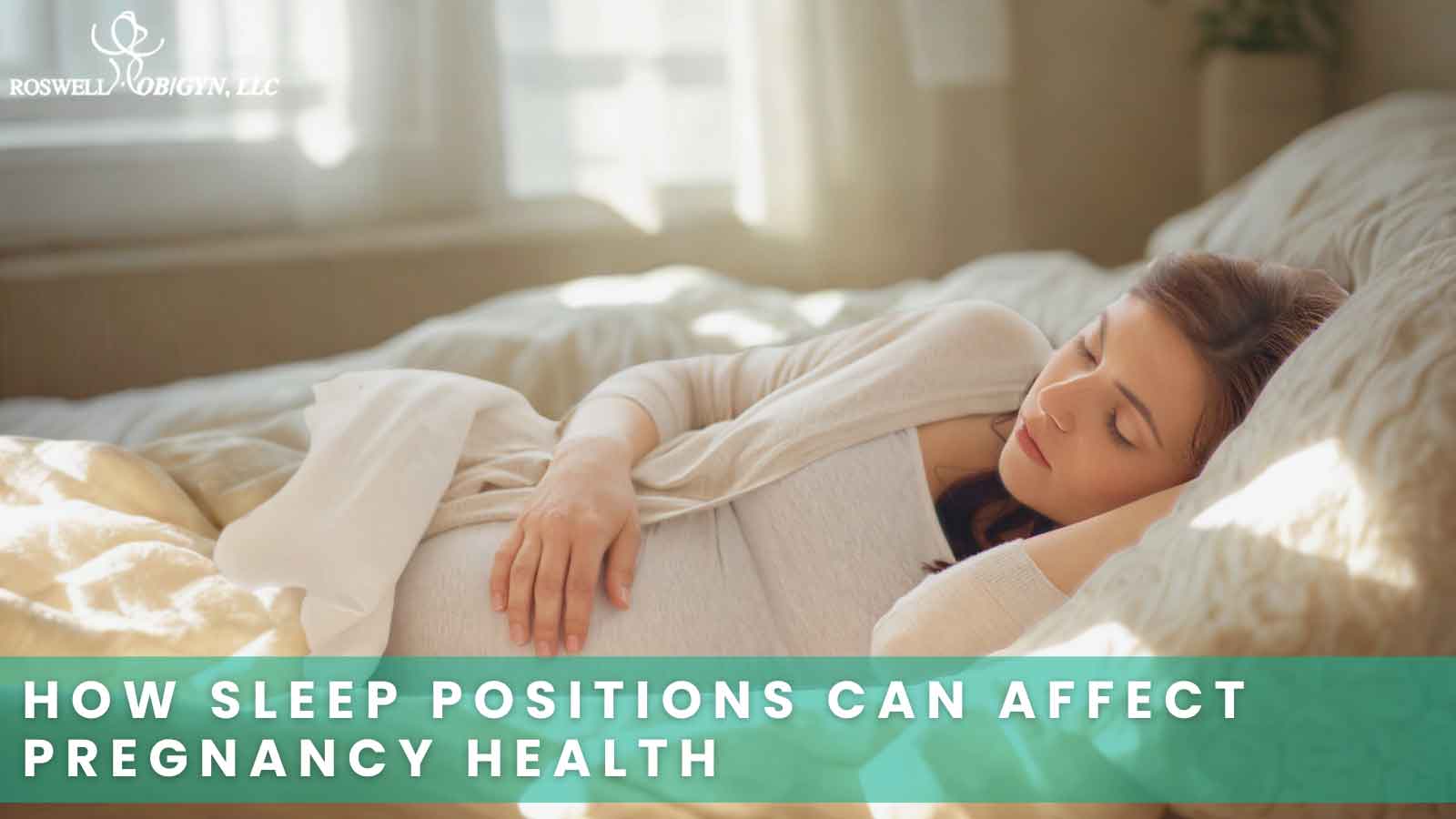
Pregnant women benefit greatly from side sleeping. It improves blood flow to the baby and uterus. Sleeping on the left side reduces pressure on the liver and kidneys. This helps prevent swelling and discomfort during pregnancy. It also lowers the risk of stillbirth and improves oxygen supply. Side sleeping is the safest and healthiest position for pregnant women.

Stomach Sleeping Risks
Sleeping on your stomach may seem comfortable for some people. Yet, it carries several health risks that many do not know. This position affects the body in ways that can harm your neck, back, breathing, and even your skin. Understanding these risks can help you choose a better sleep position for your health.
Neck And Back Strain
Stomach sleeping forces your neck to twist sharply. This strain can cause pain and stiffness. Your spine loses its natural curve while lying face down. This misalignment can lead to long-term back problems. Over time, discomfort may grow and affect daily activities.
Breathing Challenges
Lying on the stomach puts pressure on your chest. This pressure makes breathing harder and less efficient. Oxygen flow may reduce during sleep. Poor breathing disrupts sleep quality and reduces restfulness. People with asthma or sleep apnea may face more issues.
Impact On Facial Skin
Stomach sleeping presses your face against the pillow. This constant pressure can cause wrinkles and skin irritation. The skin may lose elasticity faster over time. Pillow moisture and bacteria can worsen acne and redness. Protecting your skin requires changing your sleep habits.
Sleep Position And Mental Health
Sleep position plays a key role in mental health. How you sleep affects your brain and mood. Small changes in position can lead to better rest and clearer thoughts. Mental wellness depends on quality sleep and the right posture during sleep.
Mood Regulation
Sleeping position influences the balance of brain chemicals. Back sleepers often experience better mood stability. Side sleeping can reduce the risk of depression. Poor sleep posture can cause irritability and mood swings. Good sleep helps keep emotions steady and positive.
Stress Reduction
Stress levels drop with proper sleep posture. Sleeping on the left side may improve heart function and lower stress. Poor sleep positions can cause tension in muscles and raise stress hormones. Relaxed muscles and better breathing aid stress relief. Proper sleep position helps the body calm down.
Cognitive Function
Brain performance links closely to sleep quality and position. Certain positions improve oxygen flow to the brain. Better oxygen leads to sharper thinking and memory. Poor posture can block blood flow and reduce brain function. Good sleep posture supports focus and learning abilities.
Adjusting Sleep Positions
Adjusting your sleep position can improve your health and comfort. Changing habits takes time but brings benefits. Small steps help your body adapt smoothly.
Focus on your comfort and pain relief. The right position supports breathing and reduces stress on your body. Try different ways to find what works best for you.
Tips To Change Positions
Start by moving slowly during sleep. Avoid sudden changes that may cause discomfort. Use pillows to guide your body into a new position. Practice lying in the new position before sleep. Consistency helps your body get used to the change.
Choosing The Right Pillow
A good pillow supports your neck and head. Choose one that keeps your spine aligned. Side sleepers need thicker pillows. Back sleepers should use thinner, softer ones. Replace pillows every 1 to 2 years for best support.
Mattress Considerations
Your mattress affects how well you adjust your position. A mattress that is too soft or hard can cause pain. Medium-firm mattresses often support better alignment. Consider mattress type and firmness based on your sleep style. Test different mattresses to find your comfort level.
When To Seek Professional Advice
Understanding when to seek professional advice about your sleep position is important. Your sleep habits affect your health and well-being daily. Some issues need expert help to avoid long-term damage. Pay close attention to signs that your sleep position might cause problems.
Sleep Disorders
Sleep disorders like insomnia or restless leg syndrome can worsen with bad sleep positions. Persistent trouble falling asleep or staying asleep needs a doctor’s evaluation. Specialists can suggest changes or treatments to improve sleep quality. Do not ignore constant tiredness or poor sleep.
Persistent Pain
Waking up with pain in your neck, back, or hips signals a problem. Pain that lasts more than a few days requires medical attention. Poor sleep posture can strain muscles and joints. A health professional can recommend better sleep positions or therapies to reduce pain.
Breathing Issues
Breathing problems such as snoring or pauses in breathing during sleep need urgent care. These signs may indicate sleep apnea or other serious conditions. Proper sleep position can help reduce breathing difficulties. Consult a doctor if you or a partner notice these symptoms.
Frequently Asked Questions
How Does Sleeping Position Impact Heart Health?
Sleeping on your left side improves circulation and reduces heart pressure. It helps blood flow efficiently, benefiting overall heart health. Avoid sleeping on your right side if you have heart issues, as it may increase strain on the heart.
Which Sleep Position Reduces Back Pain Best?
Sleeping on your back with a pillow under your knees supports spinal alignment. This position minimizes pressure on your back and reduces pain. Avoid stomach sleeping, as it can strain your neck and spine, worsening back pain.
Can Sleep Positions Affect Digestion?
Yes, sleeping on the left side aids digestion by improving stomach acid flow. It helps reduce acid reflux and heartburn symptoms. Sleeping on the right side may worsen digestive issues by allowing acid to flow back into the esophagus.
Does Sleeping Position Influence Breathing Quality?
Sleeping on your back can worsen snoring and sleep apnea by blocking airways. Side sleeping, especially on the left, keeps airways open and improves breathing. Proper breathing during sleep enhances oxygen flow and overall sleep quality.
Conclusion
Choosing the right sleep position helps your body rest well. It can reduce pain, improve breathing, and boost mood. Small changes in how you sleep make a big difference. Try to find a position that feels good and supports your health.
Good sleep habits lead to better energy each day. Sleep better, feel better, live better.