
As an Amazon Associate I earn from qualifying purchases.
Have you ever woken up feeling tired, even after a full night’s sleep? Your breathing while you rest might be the hidden reason.
Changing how you sleep—especially choosing to sleep on your side—can make a big difference in how easily you breathe. This simple shift could help you breathe better, reduce snoring, and wake up feeling refreshed. Keep reading to discover why side sleeping could be the easy change your body needs for better breathing and a healthier night’s rest.
Quick Navigation
How Sleep Position Affects Breathing
How a person sleeps can change the way they breathe at night. The position of the body affects airflow and the ease of breathing. Some positions can block airways more than others. Choosing the right sleep position helps keep airways open. This leads to better breathing and a more restful night.
Breathing Challenges In Different Positions
Sleeping on the back can cause the tongue and soft tissues to fall back. This blocks the airway and makes breathing harder. Many people snore or stop breathing briefly in this position. Stomach sleeping may force the neck into a twisted angle. This can restrict airflow and cause discomfort.
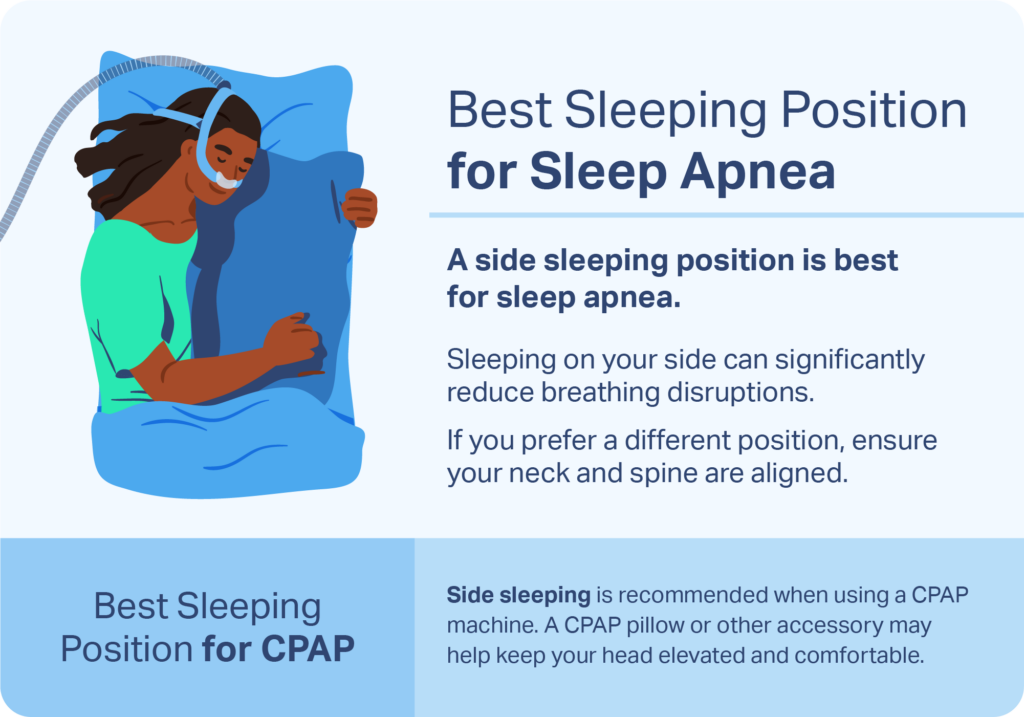
Side sleeping reduces the chance of airway blockage. The airway stays more open and breathing flows more easily. This position lowers the risk of snoring and sleep apnea. Side sleepers often report feeling less tired during the day.
Impact On Airway Patency
Airway patency means how open the breathing passage is. When the airway stays open, air moves freely in and out. Side sleeping helps keep the airway clear by preventing tissue collapse. Gravity pulls the tongue and soft tissues away from the throat. This reduces breathing interruptions and improves oxygen flow.
Clear airways support better sleep quality and health. Breathing feels natural and effortless in the side position. This simple change can make a big difference for many people.
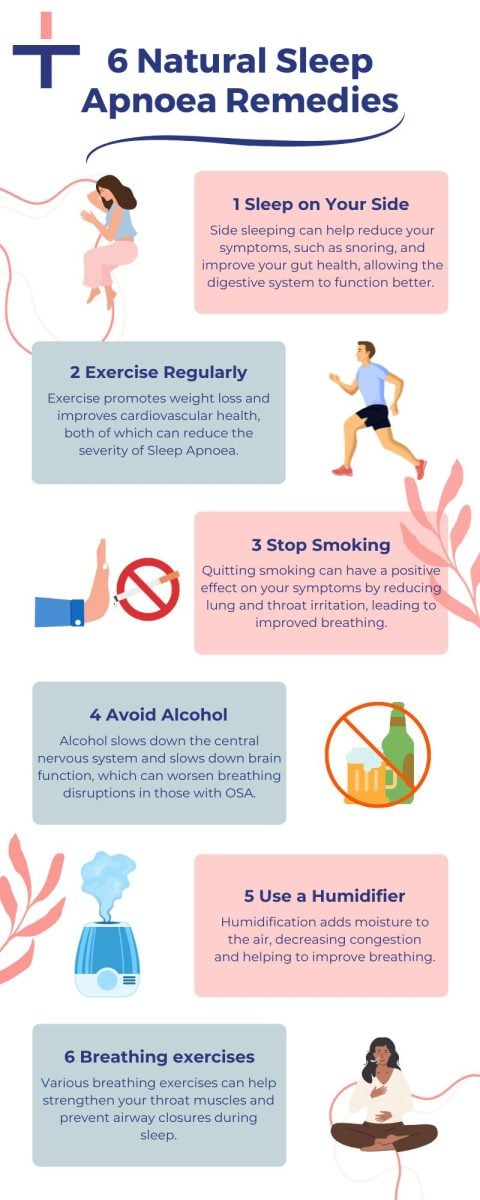
Benefits Of Side Sleeping For Airflow
Sleeping on your side can help improve how you breathe during sleep. This position changes the way air flows through your throat and lungs. It can make breathing easier and more natural. Many people find they sleep better and feel more rested.
Side sleeping also helps keep airways open. This reduces common breathing problems that happen at night. Let’s explore the key benefits of side sleeping for airflow.
Reduced Snoring And Sleep Apnea
Side sleeping helps stop your tongue and soft tissues from blocking your throat. This lowers the chance of snoring. It also reduces sleep apnea, a condition where breathing stops briefly during sleep. With fewer interruptions, your sleep is deeper and more peaceful.
Enhanced Oxygen Intake
Breathing on your side allows more oxygen to enter your lungs. This improves oxygen flow throughout your body. Better oxygen intake means your brain and muscles work better. It helps you wake up feeling fresh and alert.
Side Sleeping And Respiratory Health
Sleeping on your side can help your breathing in many ways. It supports how air moves through your lungs and nose. This position can help reduce breathing problems during sleep. Many people breathe easier and feel better with side sleeping.
Improving Lung Function
Side sleeping helps your lungs expand fully. It prevents pressure on one side of the lungs. This allows more oxygen to enter your blood. Lying on your back can cause the lungs to work harder. Side sleeping reduces this strain and improves airflow. It can also lower the risk of lung infections.
Supporting Nasal Passageways
Side sleeping helps keep your nasal airways open. It reduces the chance of blockage or congestion. This position prevents the tongue from falling back and blocking airflow. Many people with snoring or sleep apnea breathe better on their side. Side sleeping can help reduce nighttime breathing interruptions.
Choosing The Right Side To Sleep On
Choosing the right side to sleep on can affect your breathing and overall health. Side sleeping helps keep your airways open, reducing snoring and breathing problems. Picking the best side may improve comfort and prevent some health issues. Understanding the benefits of the left and right side can guide you to better sleep.
Left Vs. Right Side Benefits
Sleeping on the left side may improve lung capacity. This position helps the lungs expand more fully. It also reduces pressure on the heart, allowing it to pump easier. The right side can ease symptoms of acid reflux and heartburn. It may also help with snoring and sleep apnea in some people. Both sides have unique benefits for breathing and health.
Considerations For Heart And Digestive Health
The left side supports heart health by reducing strain. This side keeps the heart higher than the stomach. It lowers acid reflux by keeping stomach acid down. The right side can help digestion by aiding bile flow. This helps the body break down fats better. Choose the side that feels best for your heart and digestion.
Tips For Adopting Side Sleeping
Adopting side sleeping can improve breathing and overall sleep quality. Changing sleep positions takes time and effort. Small steps help your body adjust comfortably. Use tools and habits to support this change. Here are practical tips for adopting side sleeping.
Using Pillows For Support
Pillows keep your body aligned and comfortable. Place a pillow under your head to keep your neck straight. Use a firm pillow between your knees to reduce pressure on hips and spine. Hugging a body pillow can prevent you from rolling onto your back. Pillows provide extra comfort and help maintain the side sleeping position all night.
Adjusting To New Sleep Habits
Start by lying on your side for short periods. Gradually increase the time as your body adapts. Be patient; changing sleep habits may feel strange at first. Avoid sleeping on your back or stomach during this period. Create a relaxing bedtime routine to encourage side sleeping. Consistency helps your body accept the new position naturally.

When To Seek Medical Advice
Side sleeping can help improve breathing for many people. It often reduces snoring and keeps airways open. Still, some breathing problems need medical attention. Knowing when to see a doctor is important for your health.
Persistent Breathing Difficulties
Breathing trouble that lasts many nights is a warning sign. Snoring that wakes you or others often needs checking. Gasping for air or choking during sleep can signal a serious problem. Feeling very tired during the day may mean poor sleep quality. These signs mean you should visit a healthcare provider soon.
Sleep Disorders And Diagnosis
Doctors can test for sleep disorders like sleep apnea. They may recommend a sleep study to watch your breathing at night. Diagnosis helps find the right treatment to improve breathing and sleep. Treatments may include special devices or lifestyle changes. Early diagnosis can prevent long-term health issues.
Frequently Asked Questions
Why Does Side Sleeping Improve Breathing?
Side sleeping keeps airways open by reducing throat obstruction. This position prevents the tongue and soft tissues from blocking airflow. It helps reduce snoring and sleep apnea symptoms, promoting better oxygen intake and smoother breathing throughout the night.
How Does Side Sleeping Reduce Sleep Apnea Symptoms?
Sleeping on your side prevents airway collapse common in sleep apnea. This position improves airflow and decreases breathing interruptions. It supports better oxygen levels and fewer breathing pauses, enhancing overall sleep quality and reducing apnea severity.
Is Side Sleeping Better Than Back Sleeping For Breathing?
Yes, side sleeping is better for breathing than back sleeping. Back sleeping can cause the tongue to fall back, blocking airways. Side sleeping maintains open air passages, reducing snoring and improving airflow for easier, more consistent breathing during sleep.
Can Side Sleeping Help With Snoring?
Side sleeping often reduces snoring by keeping airways open. It prevents the tongue and throat muscles from collapsing and vibrating. This position decreases airway obstruction, leading to quieter breathing and less disruption for both the sleeper and their partner.
Conclusion
Side sleeping helps keep airways open for better breathing. It reduces snoring and sleep apnea risks. This position supports a healthy spine and lessens pressure on the lungs. Breathing feels easier and more natural during sleep. Small changes in sleep habits can improve overall health.
Try side sleeping to breathe better and rest well. Your body will thank you with more energy and comfort. Better breathing means better sleep every night. Give side sleeping a simple chance to help you breathe easy.