
As an Amazon Associate I earn from qualifying purchases.
Have you ever woken up feeling tired, even after a full night’s sleep? The way you position your body while sleeping might be the hidden reason behind it.
Your sleep position doesn’t just affect comfort—it can have a big impact on how well you breathe through the night. Imagine waking up refreshed, with clear breathing and more energy. You’ll discover how simple changes in your sleep posture can improve your breathing and overall sleep quality.
Keep reading to find out what sleep positions help you breathe easier and which ones might be holding you back.
Quick Navigation
Sleep Positions And Breathing
Sleep position can change how well you breathe at night. The way you lie down affects your airways and lung function. Choosing the right position helps keep your breathing smooth and steady. This section explains how back, side, and stomach sleeping impact breathing.
Back Sleeping
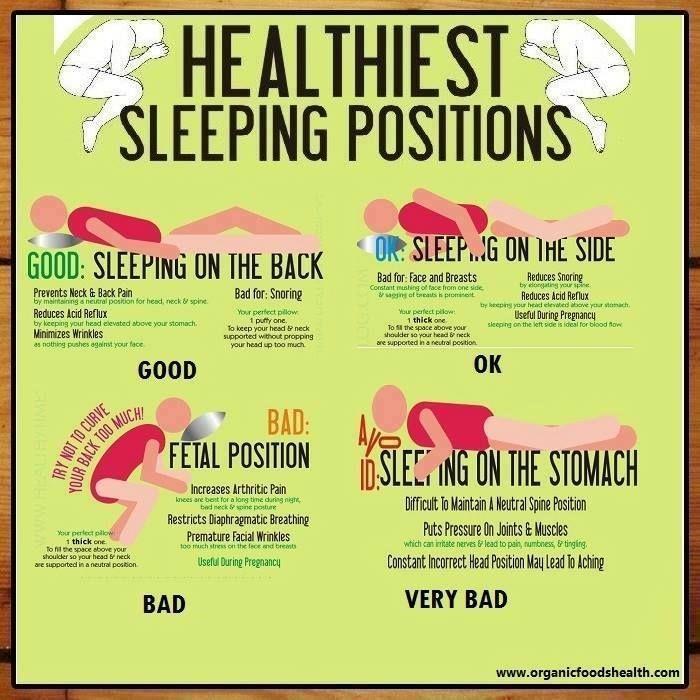
Sleeping on your back allows your head, neck, and spine to rest in a neutral position. It helps keep the airways open and reduces pressure on the lungs. But, this position can cause the tongue to fall back, which might block airflow. People with sleep apnea may find back sleeping worsens their breathing.
Side Sleeping
Side sleeping supports better breathing by preventing the tongue from blocking the throat. It reduces snoring and helps keep air passages clear. This position also eases pressure on the heart and lungs. Many doctors recommend side sleeping to improve breathing during sleep.
Stomach Sleeping
Sleeping on the stomach can make breathing harder. It puts pressure on the chest and lungs, limiting their ability to expand fully. This position may cause neck strain and restrict airflow. Stomach sleeping is usually not advised for people with breathing problems.
Impact On Airway Health
Sleep position plays a key role in airway health. It influences how air flows during sleep. Poor positions can block airways. This makes breathing harder and less efficient.
Good airway health helps maintain steady oxygen levels. It also reduces the risk of breathing problems. Understanding the impact of sleep position can improve overall health and sleep quality.
Airflow Obstruction Risks
Certain positions cause the throat muscles to relax too much. This can narrow or block the airway. Lying on the back often increases this risk. Gravity pulls the tongue back, reducing airflow.
Side sleeping usually keeps airways open. It prevents the tongue and soft tissues from blocking airflow. This lowers the chance of breathing interruptions during sleep.
Snoring And Sleep Apnea
Snoring happens when airflow is partially blocked. It creates vibrations in the throat. Back sleeping often worsens snoring by narrowing the airway.
Sleep apnea is a serious condition with repeated breathing pauses. Poor sleep positions can trigger or worsen apnea. Side sleeping may reduce apnea episodes and improve breathing.
Nasal Congestion Effects
Nasal congestion makes breathing through the nose difficult. Sleeping on the back can increase nasal blockage. It may cause mouth breathing, which dries out the throat.
Sleeping on the side helps drain nasal passages. This allows easier nasal breathing. Clear airways improve oxygen flow and sleep comfort.
Breathing Disorders Linked To Sleep
Breathing disorders linked to sleep affect many people worldwide. These problems disturb sleep and reduce oxygen flow. Poor breathing during sleep causes tiredness and health risks. Understanding these disorders helps find better sleep habits. Sleep position plays a big role in breathing quality during sleep.
Sleep Apnea Overview
Sleep apnea is a common breathing disorder. It causes brief pauses in breathing during sleep. These pauses lower oxygen levels and wake the person often. Snoring and choking sounds are common signs. Left untreated, sleep apnea can cause heart problems and high blood pressure. Many people do not know they have it.
Chronic Respiratory Issues
Chronic respiratory problems can get worse during sleep. Conditions like asthma and chronic bronchitis cause breathing struggles. These disorders create inflammation and narrow airways. Nighttime symptoms include coughing and shortness of breath. Poor sleep worsens these conditions and lowers life quality. Breathing becomes harder in certain sleep positions.
Role Of Sleep Position In Symptoms
Sleep position affects airway openness and breathing ease. Sleeping on the back often worsens breathing problems. The tongue and soft tissues can block air passages. Side sleeping helps keep airways open. This reduces snoring and apnea episodes. Stomach sleeping may ease breathing but strain the neck. Finding the right position improves sleep and breathing health.
Choosing The Best Position
Choosing the best sleep position can help improve your breathing during the night. Your position affects how air moves through your throat and lungs. Picking the right posture can reduce snoring and make breathing easier. Let’s explore which positions support better breathing and why some should be avoided.
Benefits Of Side Sleeping
Side sleeping is often the best choice for breathing. It keeps your airways open and reduces pressure on your lungs. This position lowers the chance of snoring and sleep apnea. Sleeping on your left side may also improve heart function. Many doctors recommend side sleeping for better breathing and overall health.
When Back Sleeping Works
Back sleeping can be good if you have the right support. Use a pillow to keep your head slightly raised. This prevents your tongue from blocking your throat. Back sleeping helps keep your spine aligned. It is best for those without breathing problems or sleep apnea. Proper pillows make this position more comfortable and safe for breathing.
Avoiding Stomach Sleeping
Stomach sleeping is the hardest on your breathing. It puts pressure on your lungs and neck. This position can block your airways and cause discomfort. It may also lead to neck and back pain. Avoid sleeping on your stomach to help keep your breathing steady and smooth throughout the night.
Tips To Improve Breathing At Night
Improving breathing at night helps you feel rested and refreshed. Small changes to your sleep setup and habits can make a big difference. Focus on pillow choice, room settings, and daily routines. These tips can help open your airways and support steady breathing all night.
Pillow Selection And Placement
Choose a pillow that supports your neck and head well. A pillow too high or too flat can block airflow. Try a medium-firm pillow to keep your airway open. Placing a pillow under your neck may reduce snoring. Side sleepers benefit from a thicker pillow to align the head. Avoid sleeping on your back if breathing is difficult.
Bedroom Environment Adjustments
Keep your bedroom cool and dark for better sleep. Dry air can irritate your throat and nose. Use a humidifier to add moisture to the air. Remove dust and allergens by cleaning your room often. Open a window or use an air purifier for fresh air. Avoid strong smells or smoke that may cause breathing issues.
Lifestyle Changes For Better Sleep
Maintain a regular sleep schedule, going to bed at the same time. Avoid heavy meals or caffeine before bedtime. Exercise daily but not right before sleep. Manage stress with relaxation techniques like deep breathing. Limit screen time at least one hour before bed. These habits help your body relax and improve breathing naturally.

Frequently Asked Questions
How Does Sleeping On Your Back Affect Breathing?
Sleeping on your back can worsen breathing problems. It may cause the tongue and soft tissues to block airways. This increases the risk of snoring and sleep apnea. For better breathing, side sleeping is often recommended.
Is Side Sleeping Better For Breathing?
Yes, side sleeping improves airflow by keeping airways open. It reduces snoring and sleep apnea risks. This position supports lung expansion and promotes better oxygen intake during sleep.
Can Stomach Sleeping Improve Breathing?
Stomach sleeping may reduce snoring but can strain the neck. It might not be ideal for people with breathing issues. This position can restrict chest movement, limiting lung expansion.
Does Sleep Position Impact Sleep Apnea Severity?
Yes, sleep position affects sleep apnea severity. Back sleeping worsens symptoms by blocking airways. Side sleeping helps keep airways open, reducing apnea episodes and improving sleep quality.
Conclusion
Sleep positions can change how well you breathe at night. Sleeping on your back may cause your airway to narrow. Side sleeping often helps keep airways open. Choosing the right position can improve sleep quality. Breathing better means feeling more rested daily.
Pay attention to how you sleep tonight. Small changes can lead to big benefits. Good sleep supports your overall health and mood. Try different positions to find what suits you best. Breathe easy, sleep well, and wake up refreshed.