
As an Amazon Associate I earn from qualifying purchases.
Have you ever wondered why so many people prefer to sleep on their stomachs? If you’re one of them, you might have noticed how natural and comfortable it feels, even if others find it unusual.
But what is it about stomach sleeping that draws people in? Understanding the reasons behind this habit can reveal surprising insights about your body, your comfort, and even your sleep quality. Keep reading to discover why stomach sleeping happens and what it means for you every night.
Quick Navigation
Reasons For Stomach Sleeping
Many people sleep on their stomachs without thinking much about it. This sleeping style happens for various reasons. Understanding why people choose this position can help with better sleep habits and comfort.
Comfort And Habit
Some people find stomach sleeping the most comfortable. It may feel natural and easy to fall asleep this way. Habits formed over years often lead to this position. Changing it can feel strange or uncomfortable.
Stress Relief
Lying on the stomach can help reduce stress. The position may create a feeling of safety and calm. It can ease tension in the body and mind. This helps some people relax and sleep better.
Breathing Preferences
Stomach sleeping can help with breathing for some. It may reduce snoring or blockages in the airways. People with certain breathing issues might prefer this position. It can make breathing feel easier during sleep.
Body Temperature Regulation
Sleeping on the stomach can help control body heat. The skin’s contact with the mattress cools the body down. This helps prevent overheating during the night. Staying cool helps improve sleep quality for many.
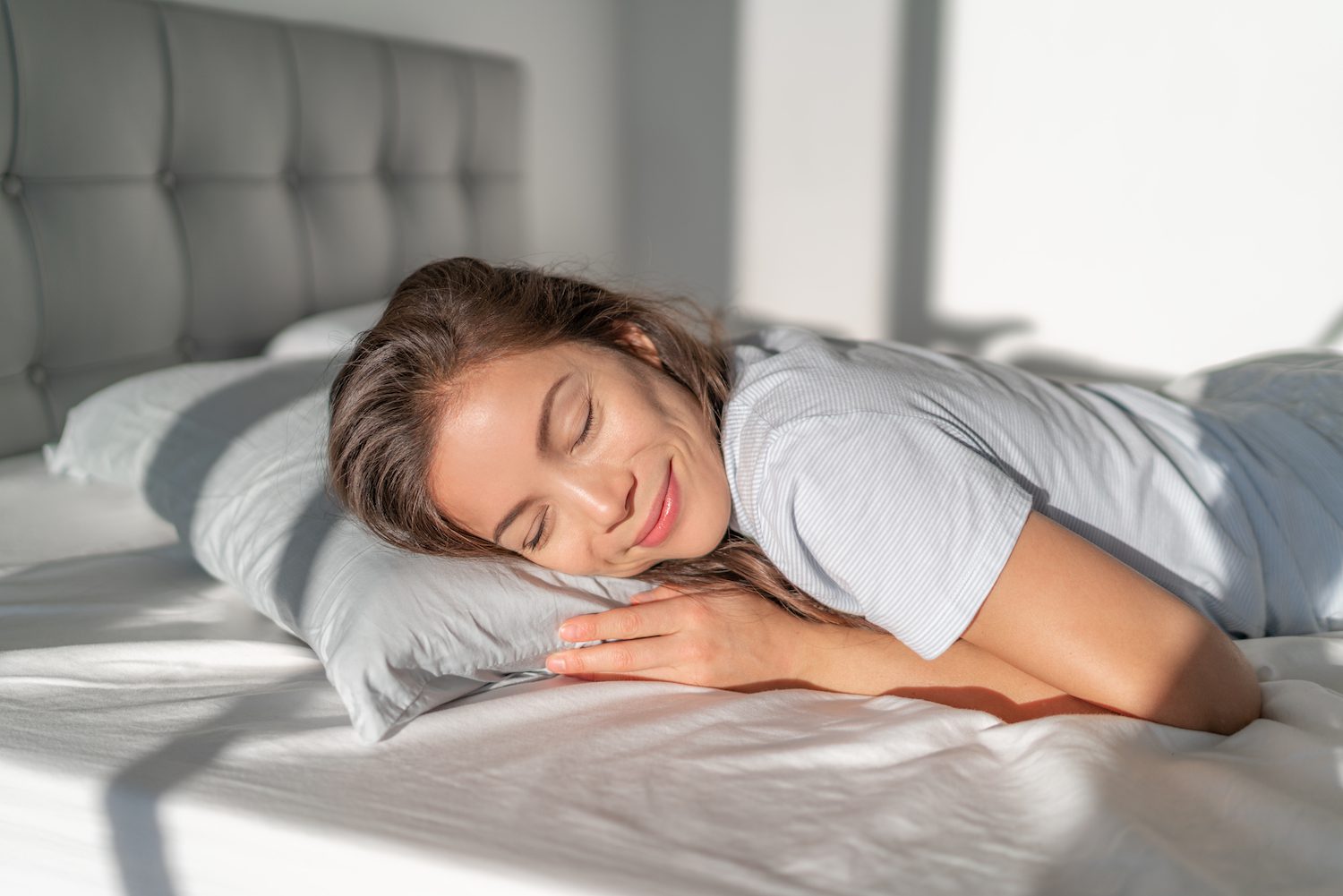
Health Effects Of Stomach Sleeping
Stomach sleeping affects the body in several ways. Some effects can be harmful, while others may offer benefits. Understanding these health impacts helps people make better sleep choices. Below are key points about stomach sleeping and health.
Spine And Neck Strain
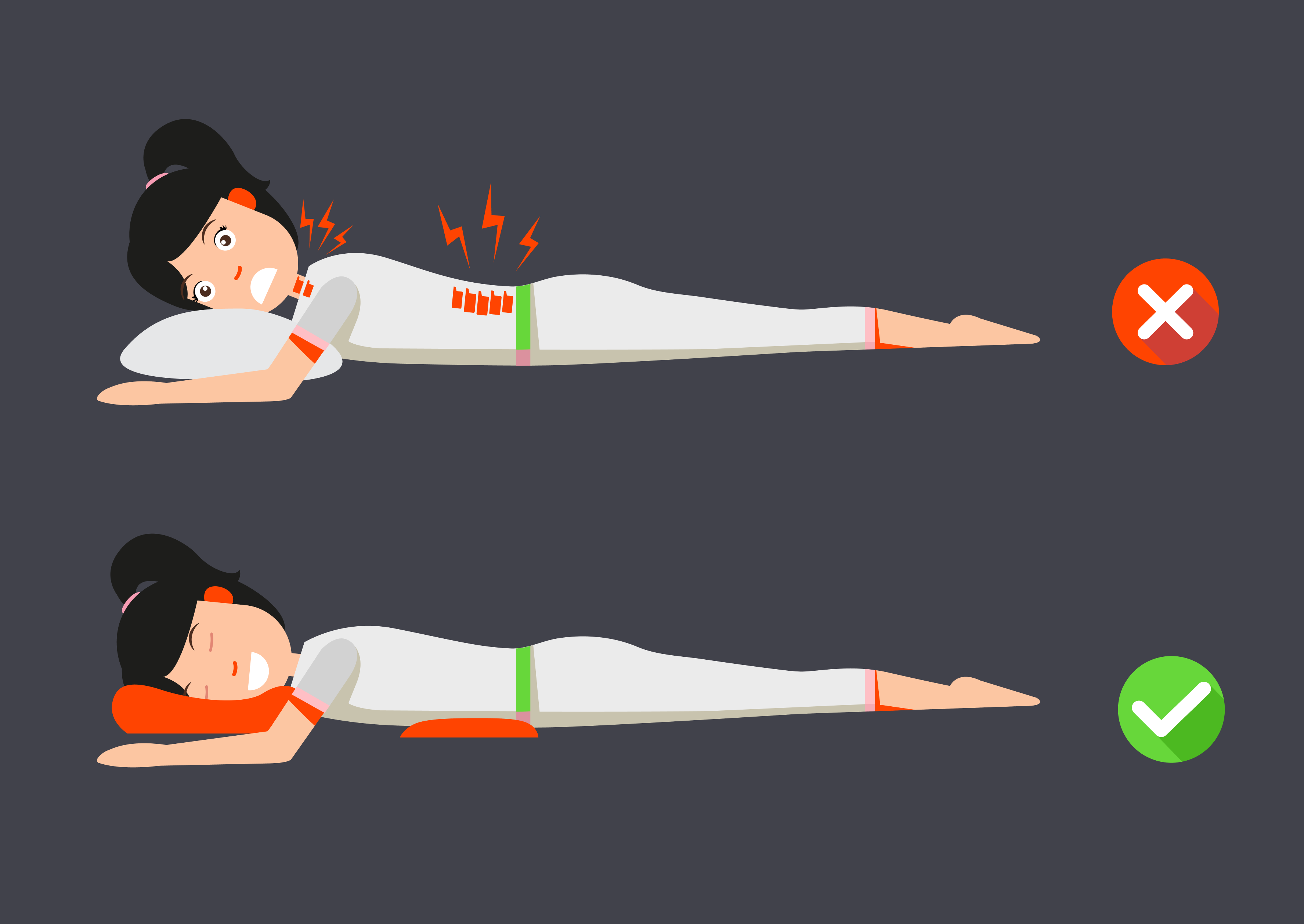
Sleeping on the stomach can cause strain on the spine and neck. The head usually turns to one side, twisting the neck unnaturally. This position may lead to stiffness or pain in the neck and shoulders. The spine loses its natural curve, increasing pressure on the lower back. Over time, this strain can cause discomfort or long-term issues.
Impact On Breathing
Breathing can be harder while lying on the stomach. The chest is pressed against the mattress, limiting lung expansion. This may reduce oxygen intake during sleep. People with breathing problems may find stomach sleeping uncomfortable. Proper airflow is important for restful and healthy sleep.
Skin And Wrinkle Concerns
Stomach sleeping puts the face against the pillow all night. This constant pressure can cause skin irritation and redness. Over time, the skin may develop wrinkles due to repeated folding and friction. People concerned about skin health might want to consider other sleep positions. Pillow material and cleanliness also affect skin health.
Digestive Benefits
One positive effect of stomach sleeping is better digestion for some people. This position may help food move through the digestive system more easily. It can reduce acid reflux symptoms because the stomach is lower than the esophagus. People with mild digestive issues might find relief by sleeping on their stomach.
Psychological Factors Behind Position Choice
Choosing to sleep on the stomach is not just a physical habit. Psychological reasons play a big role in why people prefer this position. Our mind and feelings often guide how we rest at night. Understanding these factors helps explain this common sleeping style.
Personality Traits
Stomach sleepers often show specific personality traits. They may be outgoing and enjoy social settings. Some feel more secure when lying face down. This position can reflect a desire to protect oneself. It might also show a need for control or comfort.
Emotional Comfort
Sleeping on the stomach can give a sense of safety. This position can reduce feelings of stress and anxiety. The face-down posture may feel like a calming hug. It can help people relax and feel less vulnerable. Emotional comfort often shapes sleeping habits deeply.
Sleep Quality Connections
Many stomach sleepers believe this position improves their sleep. It can help reduce snoring for some people. The firm pressure on the chest might ease restlessness. Good sleep quality is a strong motivator for choosing this style. The mind links comfort with sound sleep, reinforcing the habit.
Tips For Safer Stomach Sleeping
Stomach sleeping feels comfortable for many people. It can help reduce snoring and ease some breathing problems. Still, it may cause neck and back pain. Following simple tips can make stomach sleeping safer and more comfortable.
Choosing The Right Pillow
Pick a thin pillow or no pillow at all. Thick pillows push your neck up too much. A flat pillow keeps your head aligned with your spine. Some people use special stomach sleeper pillows with a cut-out for the face. These help reduce neck strain and improve breathing.
Mattress Recommendations
Choose a mattress that is firm but has some softness. A mattress that is too soft makes your body sink too deep. This can cause your spine to curve unnaturally. Medium-firm mattresses support your body and keep your back straight. Memory foam or latex mattresses are good choices. They help keep your body in a natural position.
Stretching And Exercises
Stretch your neck and back daily. Gentle exercises improve your posture and reduce pain. Try neck rotations, shoulder rolls, and back stretches. Strengthening your core muscles helps support your spine. Simple yoga poses or pilates moves can work well. These habits ease tension and make stomach sleeping safer.
Alternatives To Stomach Sleeping
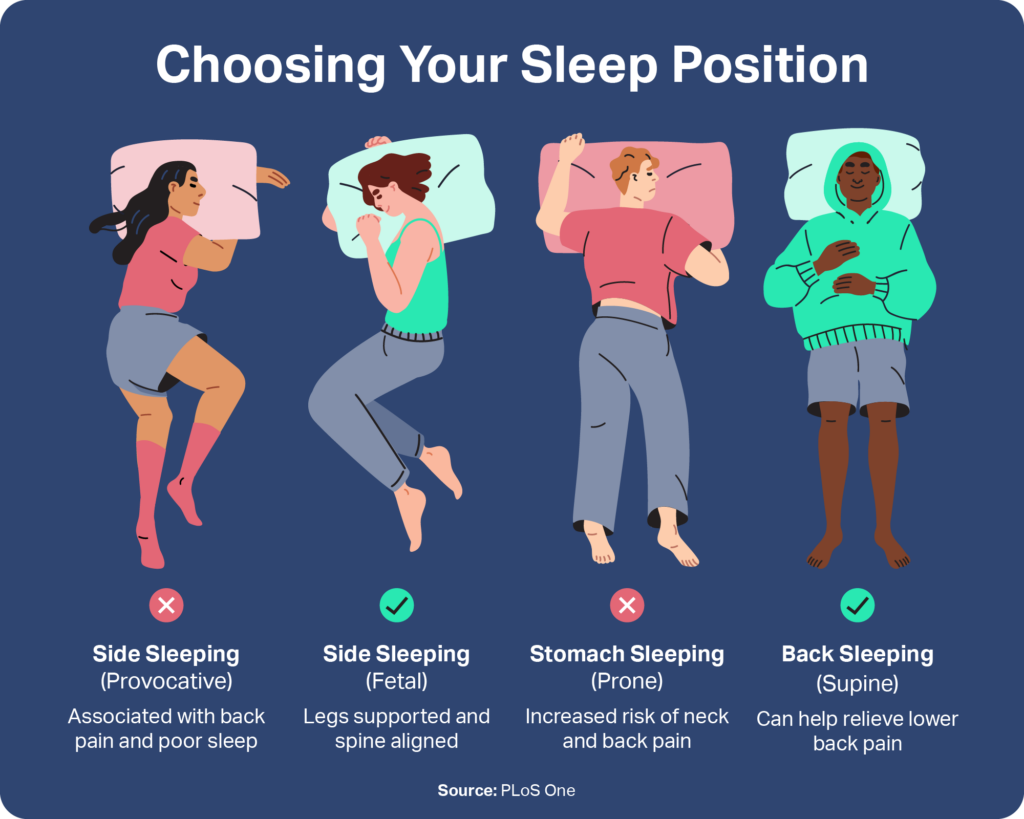
Stomach sleeping can cause neck and back pain. It may also affect breathing during sleep. Many people want to find other ways to sleep more comfortably. Changing sleep positions can help improve sleep quality and reduce pain.
Exploring different sleep positions offers new benefits. Side and back sleeping are popular alternatives. These options support the body better and promote healthier rest.
Side Sleeping Benefits
Side sleeping keeps the spine aligned. It reduces pressure on the neck and back. This position helps lower acid reflux and snoring. Many find it easier to breathe on their side. Using a good pillow can improve comfort and support.
Back Sleeping Advantages
Back sleeping spreads body weight evenly. It helps keep the spine in a neutral position. This reduces the chance of pain or stiffness. It also prevents face wrinkles from pillow pressure. A pillow under the knees can relieve lower back stress.
Transition Strategies
Changing sleep habits takes time and patience. Start by using pillows to support new positions. Practice falling asleep on the side or back. Avoid returning to stomach sleep during the night. Consistent effort helps make new positions comfortable. Gradual changes reduce discomfort and improve sleep quality.
Frequently Asked Questions
Why Do People Prefer Sleeping On Their Stomach?
People often sleep on their stomach to reduce snoring and ease sleep apnea. It can also feel comforting and natural for some, promoting a sense of security and relaxation during sleep.
Is Stomach Sleeping Better For Back Pain?
Stomach sleeping can sometimes relieve back pain by reducing pressure on the spine. However, it may strain the neck, so it’s important to use a thin pillow or none at all to maintain spinal alignment.
How Does Stomach Sleeping Affect Breathing?
Sleeping on the stomach can improve breathing for some by opening airways and reducing snoring. However, it might restrict deep breaths in others, so individual comfort and breathing patterns vary.
Can Stomach Sleeping Cause Neck Pain?
Yes, stomach sleeping often leads to neck pain because the head is turned to one side. This position strains neck muscles and joints, potentially causing stiffness and discomfort upon waking.
Conclusion
Many people sleep on their stomachs for comfort and habit. This position can help reduce snoring and ease breathing. Some find it soothing and relaxing after a long day. Still, it may cause neck or back pain for some. Knowing why people choose this style helps understand sleep habits better.
Everyone’s body is different, so finding the best position matters. Try to listen to your body’s signals each night. Sleep well, feel good, and rest easy.