
As an Amazon Associate I earn from qualifying purchases.
Have you ever woken up with aches or felt restless despite a full night’s sleep? The way you position your body while sleeping might be the hidden reason behind your discomfort.
Your sleep position directly affects pressure points—those sensitive spots where your body presses against the mattress. Understanding how these pressure points work can help you improve your sleep quality and wake up feeling refreshed. Keep reading to discover how your sleep position impacts your body and what simple changes you can make tonight for a better, pain-free rest.

Quick Navigation
Impact Of Sleep Positions
Sleep positions affect how your body feels during and after sleep. Each position puts pressure on different body parts. This pressure can ease or cause pain. Choosing the right position helps protect your joints and muscles. It also improves breathing and blood flow. Understanding these impacts can help you sleep better and wake up refreshed.
Back Sleeping Benefits
Sleeping on your back keeps your spine in a neutral position. This reduces pressure on your back and neck. It helps prevent wrinkles by avoiding face contact with the pillow. Back sleeping may reduce acid reflux if your head is slightly elevated. This position supports even weight distribution across the body. It can also help reduce tension headaches.
Side Sleeping Advantages
Side sleeping is the most common and comfortable for many people. It reduces snoring and improves breathing. This position helps lower acid reflux symptoms. Side sleeping can relieve back and neck pain. It eases pressure on your heart by keeping it above the stomach. It also supports better spinal alignment when the legs are slightly bent.
Stomach Sleeping Drawbacks
Sleeping on your stomach puts stress on your neck and spine. It forces your head to turn sideways, causing neck pain. This position can cause pressure on muscles and joints, leading to discomfort. Stomach sleeping may increase wrinkles due to face pressing into the pillow. It often worsens breathing difficulties and can cause numbness. This makes it the least recommended sleep position.

Common Pressure Points
Pressure points are parts of the body that bear weight during sleep. These points often feel sore or stiff after rest. Different sleep positions put pressure on different areas. Understanding these points helps reduce pain and improve comfort.
Shoulders And Neck
The shoulders and neck carry much weight in side and back sleepers. Pressure here can cause stiffness and headaches. Using the right pillow supports the neck and eases tension. Avoid sleeping with arms under the head to reduce shoulder strain.
Hips And Lower Back
Hips and lower back often feel pressure in side sleepers. The body’s weight presses down on the hip closest to the mattress. Back sleepers may feel lower back discomfort if the mattress is too firm or soft. A good mattress supports the natural curve of the spine and cushions the hips.
Knees And Ankles
Knees and ankles touch the mattress most in side sleepers. Pressure here can cause numbness or pain. Placing a pillow between the knees helps keep hips aligned. For back sleepers, a small pillow under the knees reduces pressure on the lower back and legs.
Pressure Points And Pain
Pressure points play a key role in how we feel pain while sleeping. These spots on the body face extra force from the mattress or bed surface. This force can cause pain or discomfort during the night. Understanding pressure points helps improve sleep and reduce pain.
How Pressure Causes Discomfort
Pressure builds up when a part of the body presses hard against the bed. Blood flow slows down in that area. Muscles and nerves get stressed. This stress sends pain signals to the brain. Over time, this discomfort can worsen and disturb sleep.
Pressure Points And Sleep Quality
Pain from pressure points often leads to tossing and turning. This movement interrupts deep, restful sleep. Poor sleep quality affects mood and energy during the day. Reducing pressure on sensitive areas helps the body relax and rest better.
Identifying Pain Areas
Common pressure points include shoulders, hips, and heels. These areas take most of the body’s weight during sleep. Noticing pain in these spots can guide changes in sleep position or mattress choice. Addressing these points can lower pain and improve comfort.
Choosing The Right Mattress
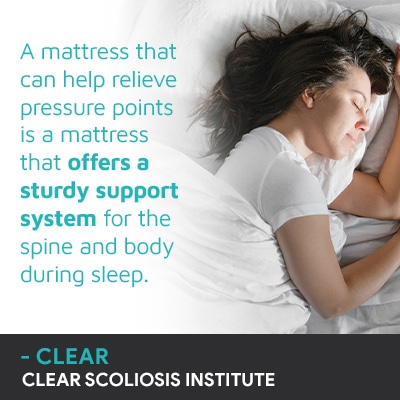
Choosing the right mattress affects how well you sleep and feel. It supports your body and eases pressure points. The right mattress can reduce aches and improve rest.
Many types of mattresses exist. Each offers different comfort and support levels. Knowing what suits your sleep position and needs is key.
Firmness Levels Explained
Mattresses come in soft, medium, and firm options. Soft mattresses hug your body but may lack support. Firm mattresses support your spine but feel hard.
Medium firmness works well for most people. Side sleepers often prefer soft to medium for shoulder comfort. Back and stomach sleepers may choose medium to firm for better spine alignment.
Memory Foam Vs. Innerspring
Memory foam molds to your body shape. It relieves pressure by spreading weight evenly. This helps reduce pain in sensitive areas like hips and shoulders.
Innerspring mattresses use coils for support. They offer good bounce and airflow. People who like a firmer feel or cooler sleep may prefer innerspring.
Both types have benefits. Your choice depends on comfort and how you sleep.
Mattress Toppers For Pressure Relief
Mattress toppers add a soft layer on top of your mattress. They can improve comfort without buying a new bed. Memory foam toppers are popular for pressure relief.
Toppers help ease pain in hips, shoulders, and back. They adjust the firmness level to better suit your needs. This can improve sleep quality and reduce tossing.
Best Pillows For Support
Choosing the right pillow is key to good sleep and pressure relief. A supportive pillow helps keep your spine aligned. It reduces pain in your neck, shoulders, and back. The pillow type depends on your sleep position and body needs. Here are some of the best pillow options to support your sleep.
Neck And Head Support
Pillows designed for neck and head support keep your spine straight. They have a firm but soft shape that fits your neck curve. Memory foam and contour pillows are great choices. These pillows stop your head from tilting too much. They help reduce stiffness and pain in the morning.
Body Pillows For Side Sleepers
Side sleepers need extra support to avoid pressure on hips and shoulders. Body pillows fill the space between knees and arms. This keeps the spine aligned and eases muscle tension. Long, full-body pillows are perfect for side sleepers. They also provide comfort and a sense of security.
Adjustable Pillow Options
Adjustable pillows let you change the height and firmness. You can add or remove filling to match your comfort level. These pillows suit many sleep positions and body types. Adjustable pillows are helpful if your needs change over time. They offer personalized support for better sleep quality.
Tips For Pressure Point Relief
Pressure points can cause discomfort during sleep. Simple tips can ease this pain. These ideas help reduce pressure on your body. They improve sleep quality and comfort. Follow these easy steps for relief.
Stretching And Exercises
Gentle stretching helps relax tight muscles. Stretch before bed to ease pressure points. Focus on areas like shoulders, hips, and legs. Simple exercises improve blood flow to sore spots. This reduces stiffness and pain during sleep.
Sleeping Position Adjustments
Change your sleep position to avoid pressure buildup. Side sleeping with knees slightly bent helps. Avoid sleeping on hard surfaces. Try to keep your spine in a neutral position. Small changes can make a big difference.
Using Cushions And Pads
Cushions support sensitive areas and reduce pressure. Place pillows under knees, hips, or elbows. Use soft pads on hard mattresses. Memory foam cushions mold to your body shape. These tools prevent pain and improve comfort.
Improving Sleep Comfort
Improving sleep comfort is key to feeling rested and refreshed. Small changes in habits and environment can ease pressure on your body. This helps reduce aches and improves sleep quality. Understanding your sleep position and pressure points guides these changes.
Sleep Hygiene Practices
Good sleep hygiene creates a calm and relaxing bedtime routine. Avoid screens and bright lights before sleep. Choose soft, breathable bedding that supports your body. Limit caffeine and heavy meals in the evening. These habits help your body prepare for rest.
Temperature And Environment
Keep your bedroom cool and quiet for better comfort. Ideal temperature ranges between 60 and 67 degrees Fahrenheit. Use blackout curtains or eye masks to block light. Reduce noise with earplugs or white noise machines. A peaceful room helps your body relax fully.
Consistent Sleep Schedule
Set a regular bedtime and wake-up time daily. This trains your body to follow a natural rhythm. Avoid sleeping in late on weekends. Consistency helps regulate your internal clock. Better sleep cycles improve overall rest and comfort.
Frequently Asked Questions
What Is The Best Sleep Position For Pressure Relief?
Sleeping on your back evenly distributes body weight and reduces pressure points. Side sleeping also helps by aligning the spine and easing joint stress. Avoid stomach sleeping as it increases pressure on the neck and spine.
How Do Pressure Points Affect Sleep Quality?
Pressure points cause discomfort and pain, disrupting sleep cycles. Prolonged pressure reduces blood flow, leading to numbness or soreness. Proper sleep positions relieve pressure, enhancing comfort and promoting deeper, uninterrupted sleep.
Can Changing Sleep Position Reduce Joint Pain?
Yes, adjusting your sleep position can relieve joint pressure and pain. Side sleeping with a pillow between knees aligns hips and eases joint stress. Back sleeping supports the spine and reduces joint strain.
Why Is Side Sleeping Recommended For Pressure Point Relief?
Side sleeping helps distribute body weight more evenly, reducing pressure on hips and shoulders. It improves blood circulation and minimizes nerve compression. This position is ideal for people with joint or back pain.
Conclusion
Choosing the right sleep position helps reduce pressure on your body. It can ease pain and improve rest quality. Paying attention to pressure points protects your muscles and joints. Small changes in posture make a big difference over time. Healthy sleep habits support overall wellness and energy.
Try different positions to find what feels best for you. Good sleep starts with comfort and care for your body. Sweet dreams come from a body at ease.